
The migratory tit bird is known worldwide for two reasons: one, the hilarity of its name, and two, its beautiful call. The tit has a wondrous call that surpasses all sorts of artificial human sounds, and it’s a true gift for nature lovers to be able to experience it.
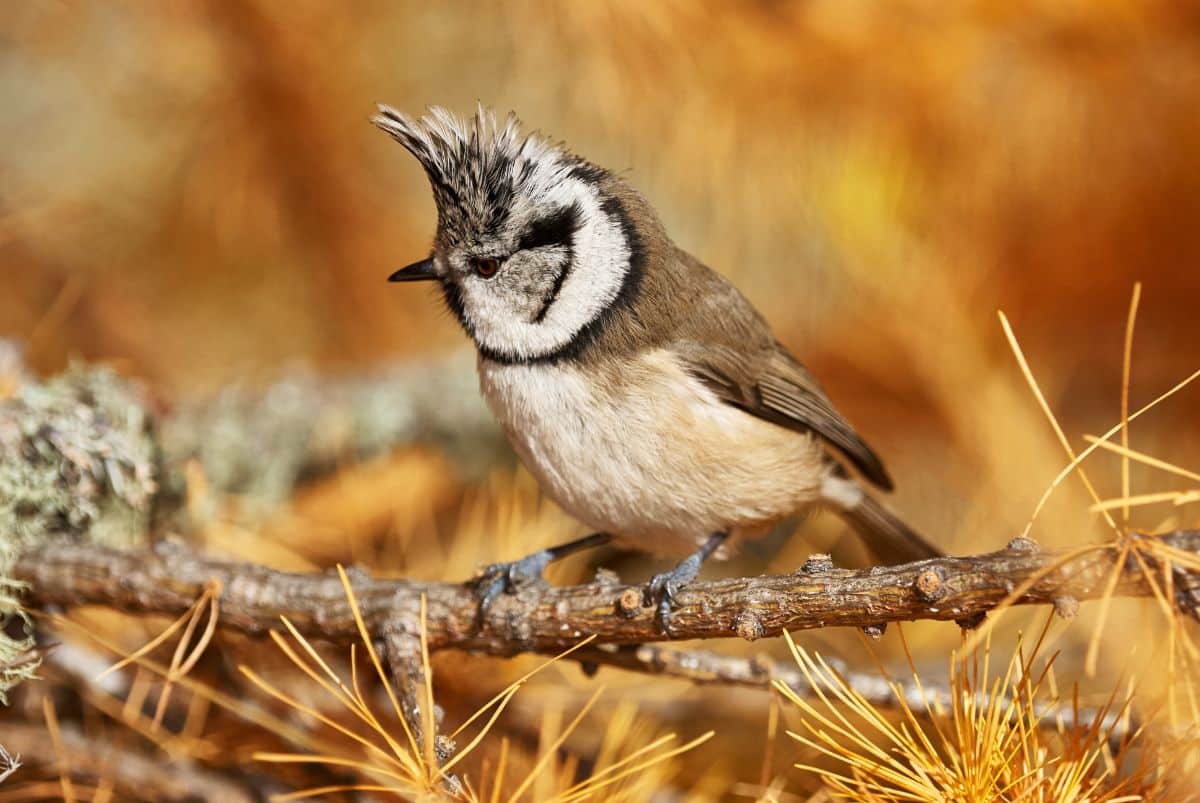
You might be wondering, though: what, exactly, is the sound that a tit bird makes? Whether you’re an expert birdwatcher or an amateur ornithologist, this list can help answer your questions. Read on to learn what kind of sound, precisely, a tit bird makes.
Contents
What Is a Tit Bird?
Now, before we get into the brass tavs of what a tit bird sounds like, it’s important to highlight what, precisely a tit bird is.
Tit birds, also known as chickadees, are a group of passerine birds distributed throughout the world. This group is formally known as Paridae, and one of its most prominent members is the Great Tit, though there are dozens of species throughout the world.
For our purposes, one of the most interesting elements of the tit bird is the fact that it is often identified as the chickadee. This name originates as an onomatopoeic identifier for the terrific tit bird—the complex and resonant call has often been interpreted as a sound akin to the word “chickadee.”
What Sound Does a Tit Bird Make?

One of the challenges in writing (and reading!) about tit bird songs is that you can only describe so much in writing about a bird before deferring to a slip of the bird itself. Nonetheless, dear reader, we forge on, and offer this humble attempt: unlike other birds, the tit bird sings a sharp, reedy song whose pitch dips and rises as the bird sings.
As evidenced in the sound clips linked here, a tit bird has a beautiful call that you may already be hearing in an everyday jaunt through nature. It begins with a high-pitched chirp, and after two high notes, it shifts down slightly. Then, it repeats that shift between six and nine times.
Tit birds tend to perform tremolo songs (that is, songs that quickly repeat the same note over and over) that end in a sharp trill—a short high-pitched note that punctuates the ascending steps of the call.
Of course, different tits sing different sorts of calls, but generally speaking, these songs will fall under the rubric described above. Most commonly, they sing a song that sounds something akin to their name (imagine the natural version of the word “chickadee” and you’ll get close to the origin of the term).
Frequently Asked Questions
If you’re curious about this bird and want to learn some more facts, check our FAQs below.
What other sounds do tit birds make?
One of the challenges in describing the sonorous song of the tit bird is that there’s no perfect way to capture non-linguistic sound within the confines of speech. Nonetheless, various human commentators throughout history have done their best: they’ve represented alternative tit bird sounds as “neener neener,” “tupp,” and “tsirup.”
Are tit birds rare?
Tit birds are far from rare—in fact, they’re one of the more common bird families on the planet. They can be found throughout Europe, East and Southeast Asia, Southern Africa, and the entirety of North America. In fact, given the percentage of the global population that already lives in those locations, it’s likely you’ve already heard a tit bird’s call without realizing it.
Why are they called tit birds?
Tit birds are so-called due to the influence of Germanic languages on English. Long story short: in the context of birds, the name “tit” is a parallel to the same word in Icelandic, Swedish, Norwegian, and Danish, in which it refers to a very particular small bird—originally called the titmouse in English, and later shortened to tit.
Final Thoughts
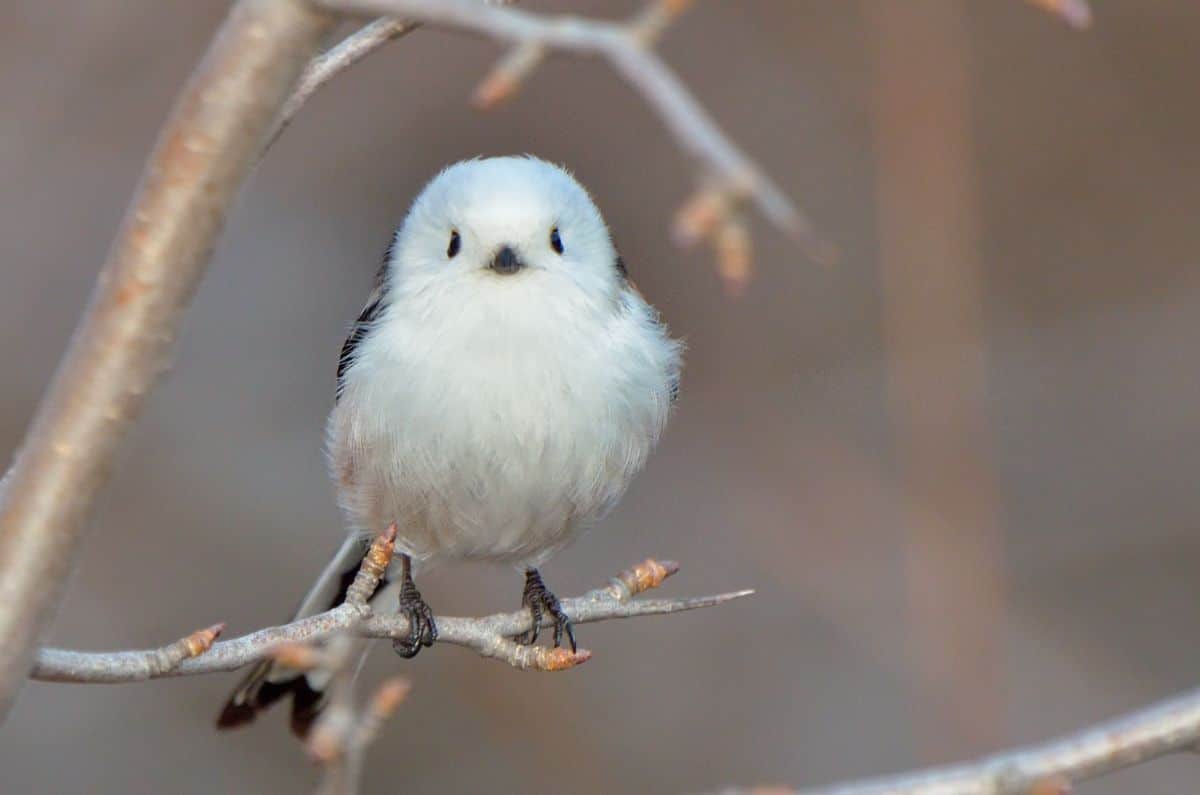
Tit birds have some of the most beautiful calls in the entire order of avian species—and believe it or not, you may have heard them already. Now that you are armed with knowledge about their sound, you might just be ready to go out and begin your birdwatching career by seeking out some tits. So what are you waiting for? Grab some binoculars and get at it!