
We often hear of particular bird species being lifelong pairs. In South Korea, the population knows that mandarin ducks stay with the same mate year after year; this makes items displaying mandarin ducks popular wedding gifts.
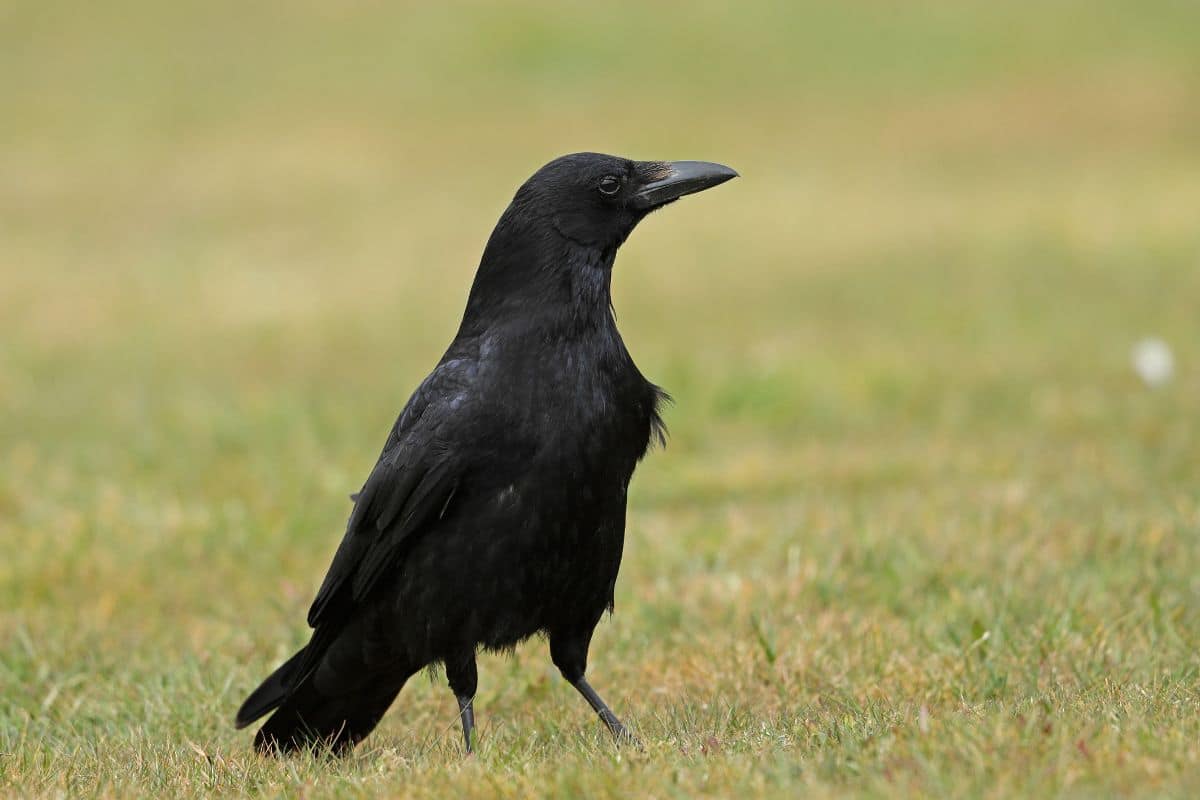
We also know that, yes, crows, like all other corvids, are monogamous. However, there are many more details to the story.
Contents
Mates for Life
Crows, ravens, and all other corvids (members of the bird family Corvidae) are monogamous, which is surprising, considering there are over 120 bird species under the Corvidae umbrella.
Considering this, it doesn’t mean crows will only copulate with one mate. Scientists describe crows as “socially monogamous but genetically promiscuous,” a perfect description from Corvid Research. This statement essentially means that crows will stay with one mate of the opposite sex for the rest of their lives, building and sharing a nest. However, they will not necessarily remain sexually exclusive to their partners for their whole lives.
This promiscuity ensures that the flock (or murder, if you like) remains genetically diverse and that inbreeding doesn’t occur as often as if crows only mated with one partner in their flock.
Socially Monogamous
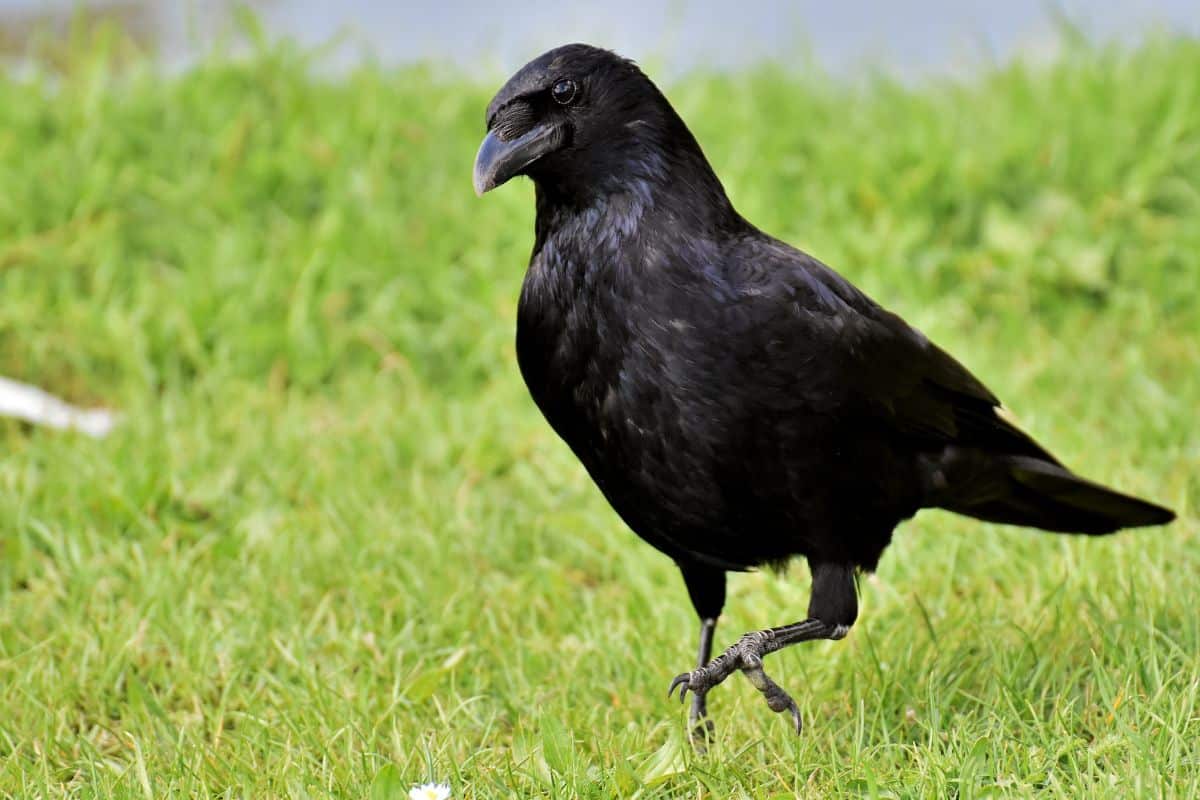
Although you may be familiar with crows being monogamous, you may not be aware that when young crows first choose their mate, the one they will spend their lives with until one or both perish, there is an intricate mating ritual in which both participate.
It’s intricate, but it’s short. The ritual is initiated by the male crow, which seems to be the norm for most (but not all) bird species. He will approach the female, perhaps bearing a gift of food or something shiny or otherwise desirable, prostrating himself before her. This ritual typically takes place on the ground.
The male crow will then spread his wings out and fold them together so that the female can see the spread feathers, black-blue, green-black, and all manner of iridescence in between. The female, should she accept, sort of dances up to the male, and they both vocalize.
Both crows then clip and click their beaks together, almost like gentle scissor cuts. The next part is rather abrupt to us humans, but then they place their cloacae together and mate. The actual copulation is over in a few moments, and then the crows fly off, presumably to return to their nest or to build one.
This mating dance is uncommon because crows only do this once per mate, so they may only complete this ritual once throughout their entire lives. Because crows can live up to seven or eight years in the wild, it is very significant and unique, primarily because crows don’t reach sexual maturity until they’re around two years old, sometimes as old as four. Females mature faster than males.
Genetically Promiscuous
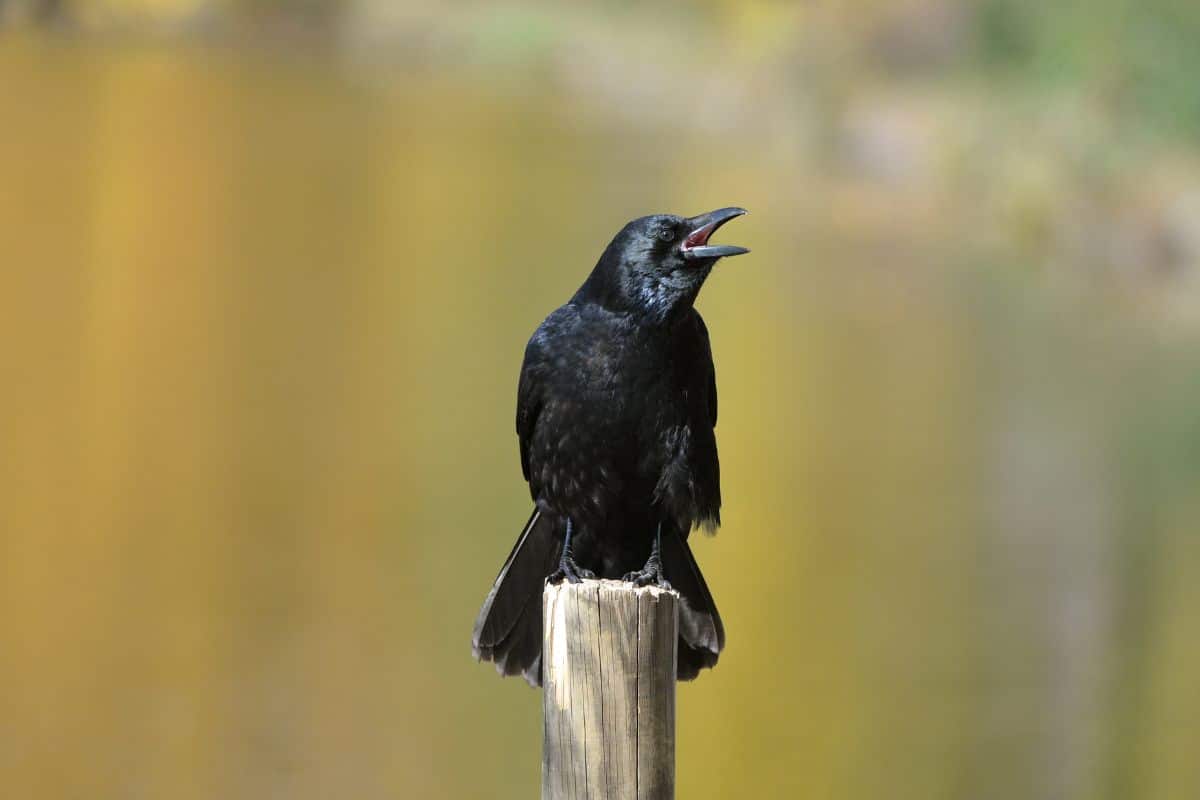
Although crows spend their lives socially in a large flock and then in an intimately bonded pair, this doesn’t mean that they are sexually/reproductively exclusive.
It should be noted that among most crow couples, the male is responsible for fathering about eighty percent of his mate’s offspring, with the other young being fathered from trysts outside the pair. Another study corroborated the findings of this one, coming up with a percentage of paternity outside the bonded pair of nineteen percent.
Surprisingly, like most birds who mate for life, although crows will mate with others outside of their bond, it doesn’t seem to be as common as we might expect for members of the animal kingdom. The second study mentioned above also found that of the 25 crow families in the flock they were studying, only thirty-six percent of the crows attempted extra-pair mating.
This suggests that about two-thirds of the flock weren’t interested in even attempting to breed with a partner besides their chosen mate. However, there are always extenuating circumstances in the wild. For example, if a male crow is injured or aging, his paternity will likely go down because his mate will seek other males to inseminate her. The female will rarely leave her mate, even if he does get injured, but the stress of protecting his brood and providing for them as well as not being in full health contributes to decreased sperm count.
By mating outside of her bonded pair, the female crow is simply trying to keep having and raising offspring. She will almost always remain with her partner no matter his health status, which is quite romantic, at least from a human perspective.
Lifelong Cooperation
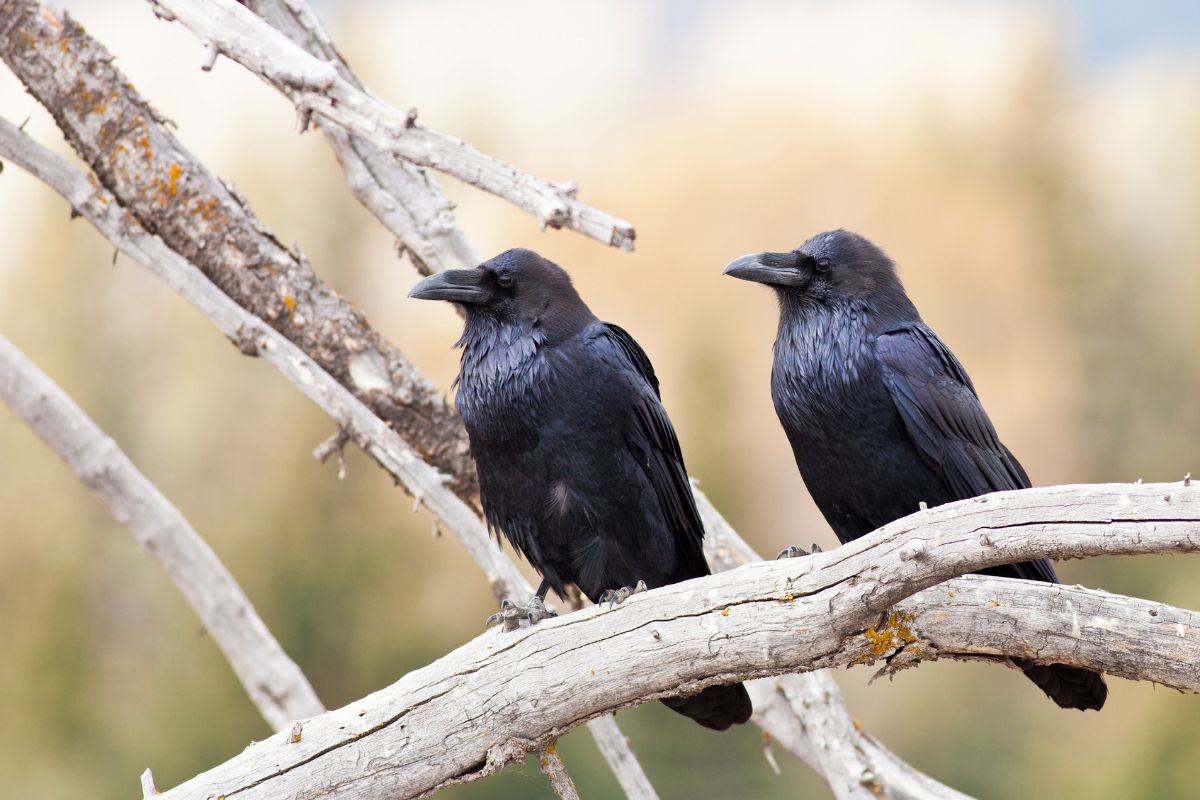
Because of this lifelong bond that crows make only once or twice (maybe more, if their mates die) in their lives, the pair spends a lot of time in each other’s company. Both the male and the female raise the offspring. The males will even sit on their eggs, but they don’t have the incubator patch on their bodies that females have, so it’s just a sweet gesture until she gets back from obtaining food.
It could be theorized that since crows are bonded so closely with another individual, this strengthens their socialization among other pairs and the flock overall. Interestingly, crows participate in what’s called cooperative breeding. This occurs when more than just the two parents of the offspring help raise young. The whole crow village helps raise each other’s babies. In some situations, this can be detrimental simply because too much help could come to some babies while not enough reaches others. Another possibility is that fathers risk paternity loss when other helpers are coming around to their nests. As for the helpers, they’re too busy raising others’ chicks while putting off having their own.
Scientists say that this cooperative breeding practice is part of communal crow life because of certain unpredictable circumstances. What if the female gets injured and cannot currently care for her young? The helpers step in. Helpers have also been observed to contribute to longer life expectancies for females.
Based on these factors, it’s probably best for the male crow to continue to provide food for the helpers so that he can take care of his lady in the long run. After all, they’re all doing the same thing!
Final Thoughts
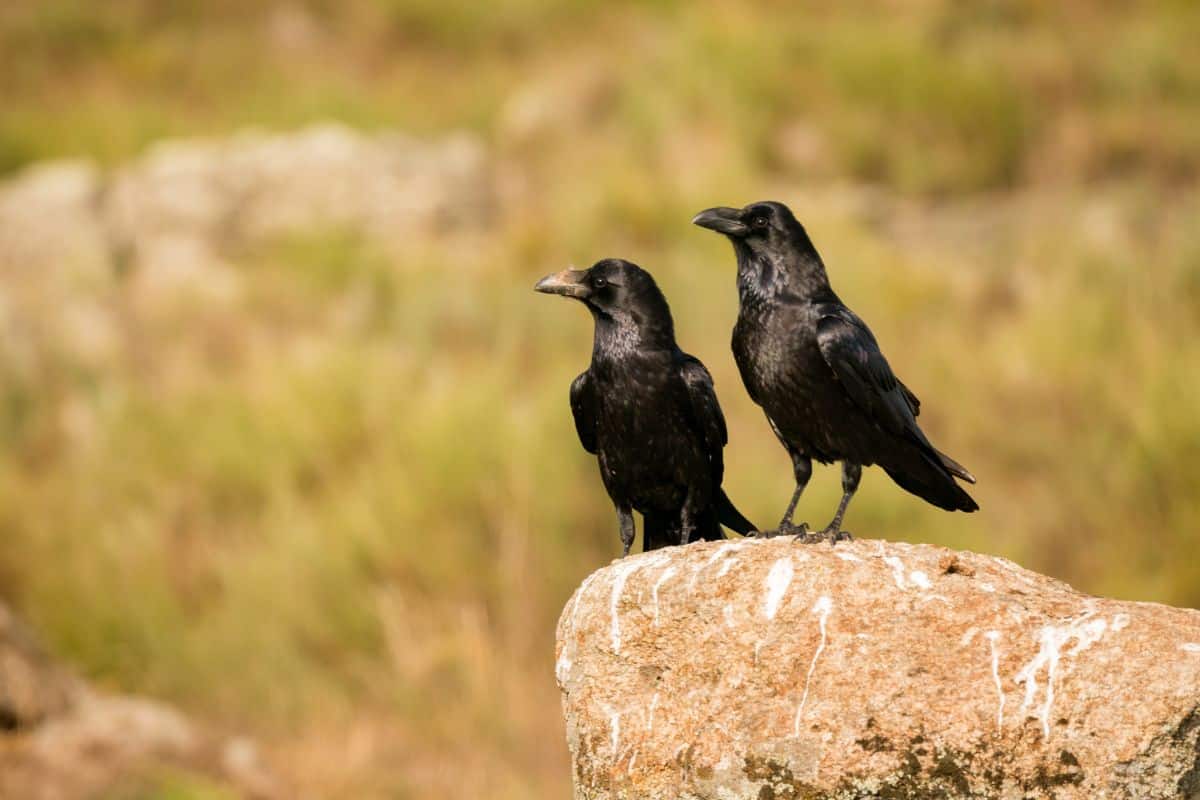
Crows are not sexually exclusive, but they are attached to one other individual for the rest of their lives, hunting together, nesting together, and building a family together.