
Birds have some of the most complex vocal complexes in the natural world. Most of them sing, but a select few of them talk by accurately mimicking human speech. While they may not know what they’re saying, these species live all over the world. Some, like the African Gray, live in rainforests, but others may frequent your backyard.
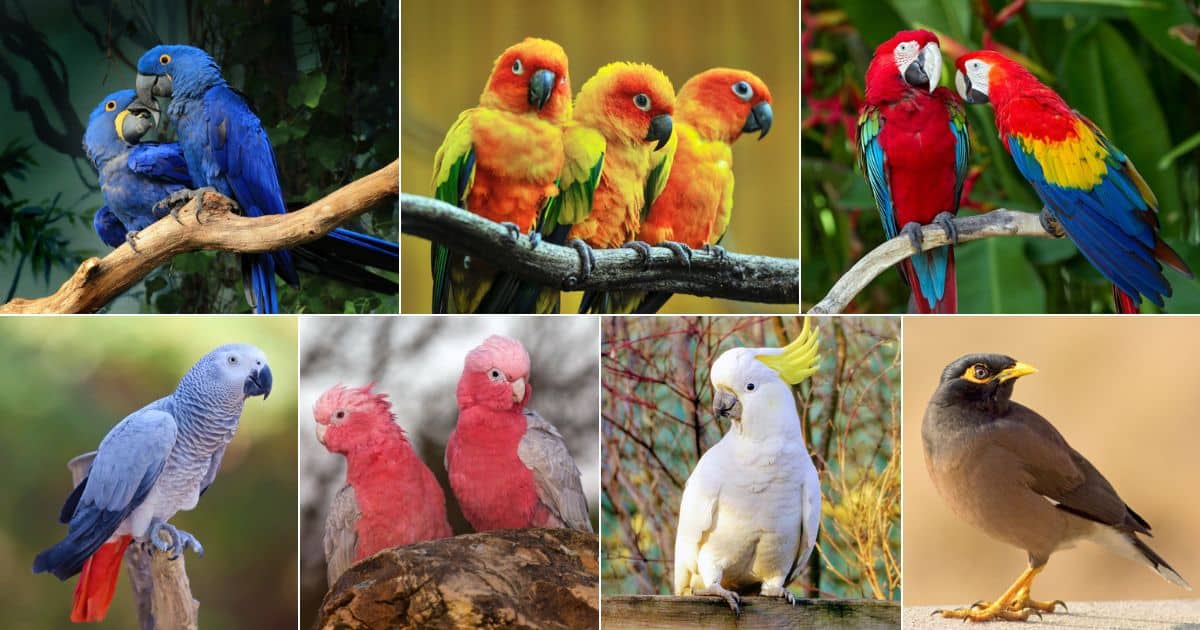
Here, you’ll find a detailed discussion of 11 birds that talk and mimic human speech, including their scientific names, dimensions, and voices. Our favorite talking species include:
Contents
1. African Gray
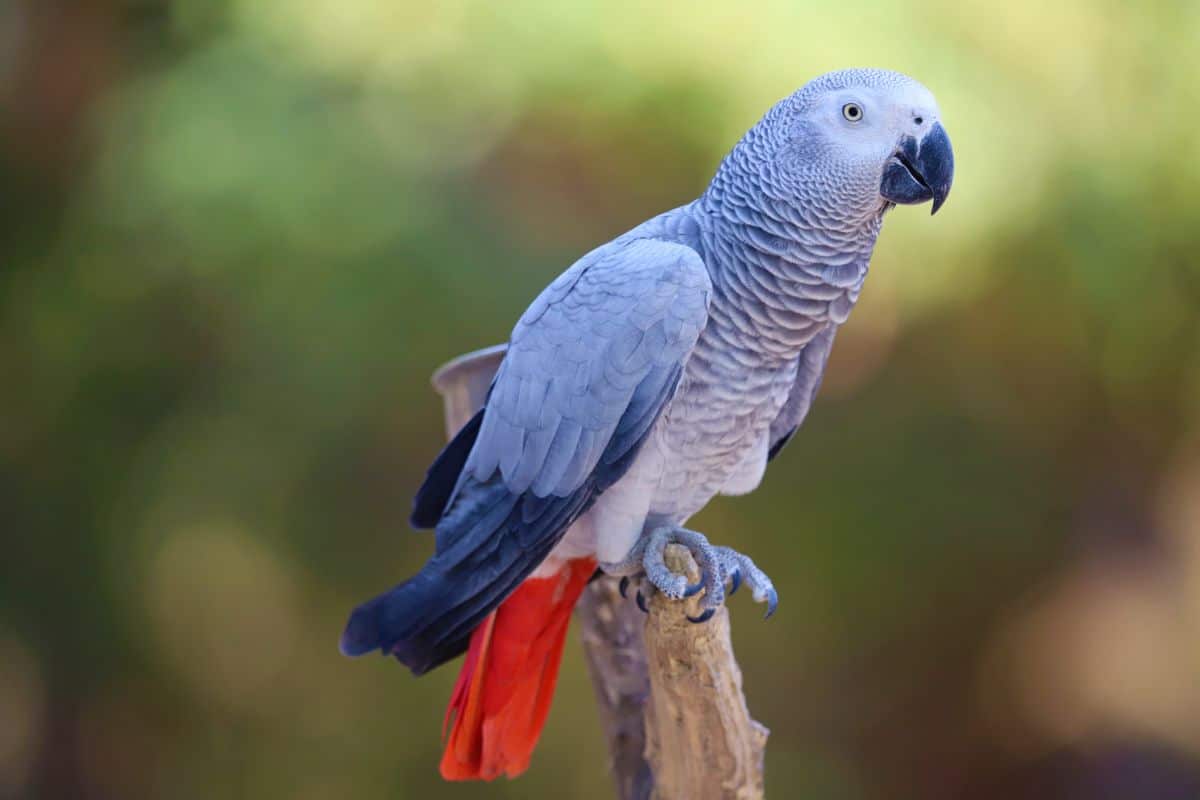
Scientific name: Psittacus erithacus
Length: 12–16 inches (30–40 cm)
Weight: 15–20 ounces (400–650 g)
Wingspan: 18–20 inches (45–50 cm)
African Gray parrots get their names from their habitats which stretch along the center of Africa. Dwelling in rainforests and woodlands, they mate for life and are popular as pets. In captivity, a Gray parrot can live as many as 60 years or more.
Like other birds, African Grays don’t tend to talk unless captive, which is when they begin to mimic for enrichment. Grays can learn hundreds of words and sounds, parroting humans, dogs, cats, and other animals they frequently encounter. They are social, talkative birds that make excellent pets.
2. Scarlet Macaw
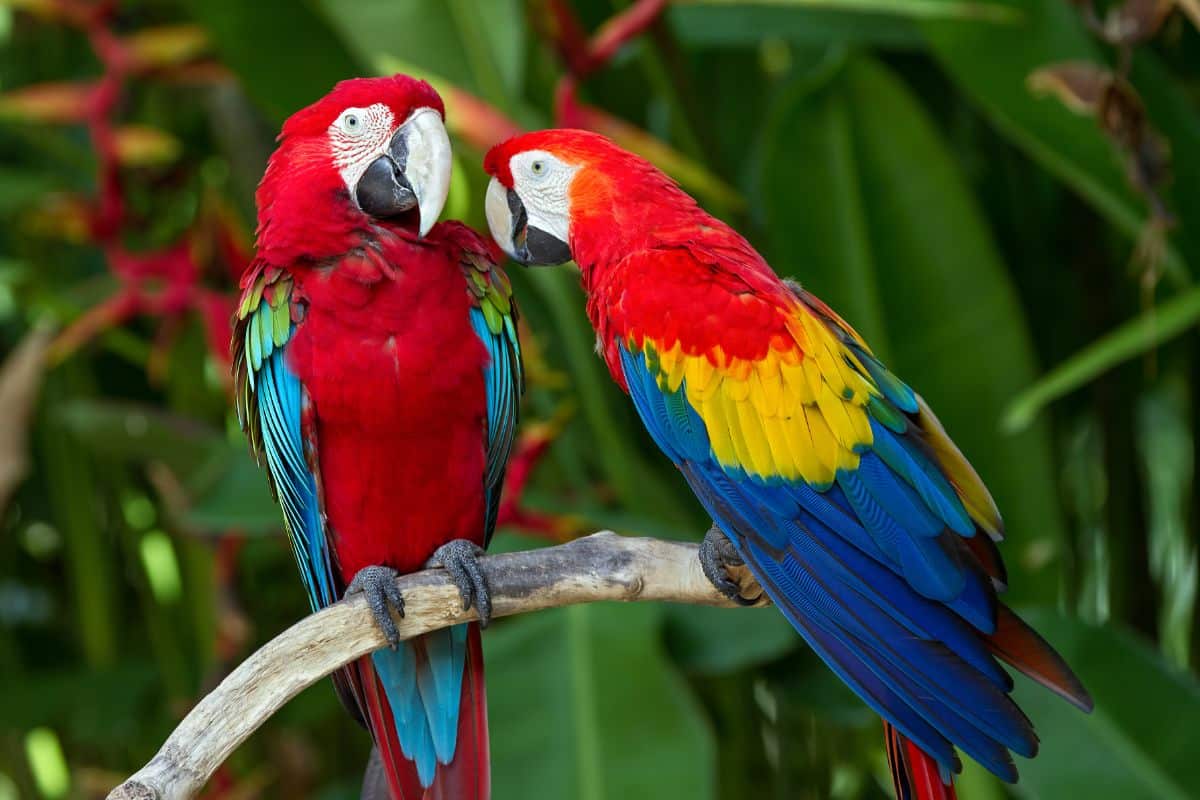
Scientific name: Ara macao
Length: 32–38 inches (81–96 cm)
Weight: 32–36 ounces (900–1000 g)
Wingspan: about 36 inches (90 cm)
Scarlet macaws have gorgeous tri-colored plumage as one of the many breathtaking species in South American rainforests. They are endangered and not allowed as captive pets, but they have excellent mimicking capabilities. While they can imitate human speech, they don’t usually have the tonal accuracy of African Gray parrots.
A scarlet macaw can live for an average of sixty years in the right conditions, livening its environment with bright colors and raucous cawing. It’s no wonder the Amazonian beauty is so iconic across the world.
3. Common Mynah
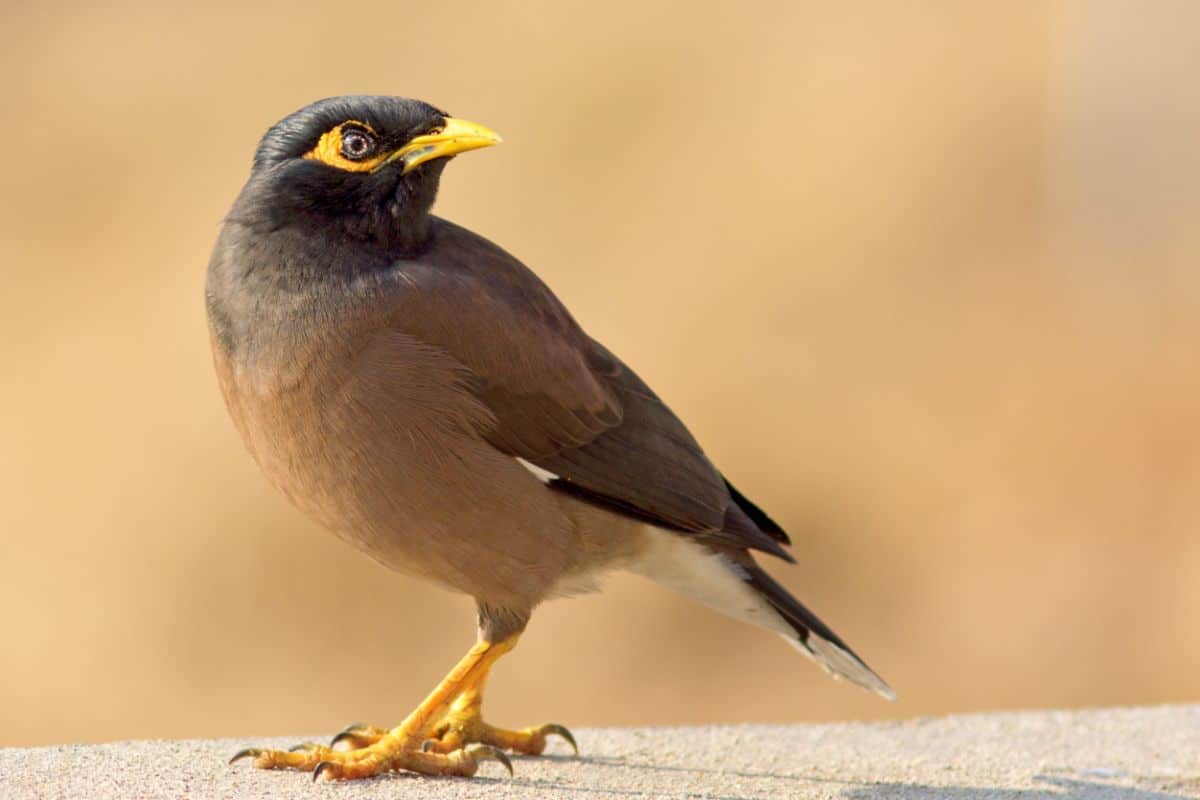
Scientific name: Acridotheres tristis
Length: about 9 inches (about 22 cm)
Weight: 4–5 ounces (113–141 g)
Wingspan: about 18 inches (45 cm)
The mynah (also called myna) is a member of the starling family native to Asia and Australia. They are a rapidly-growing invasive species across many countries, but they’re full of personality and can mimic around 100 words.
While the common mynah isn’t friendly to farmers worldwide, they prove that you don’t have to visit a rainforest to see a talking bird.
4. Sulfur-Crested Cockatoo
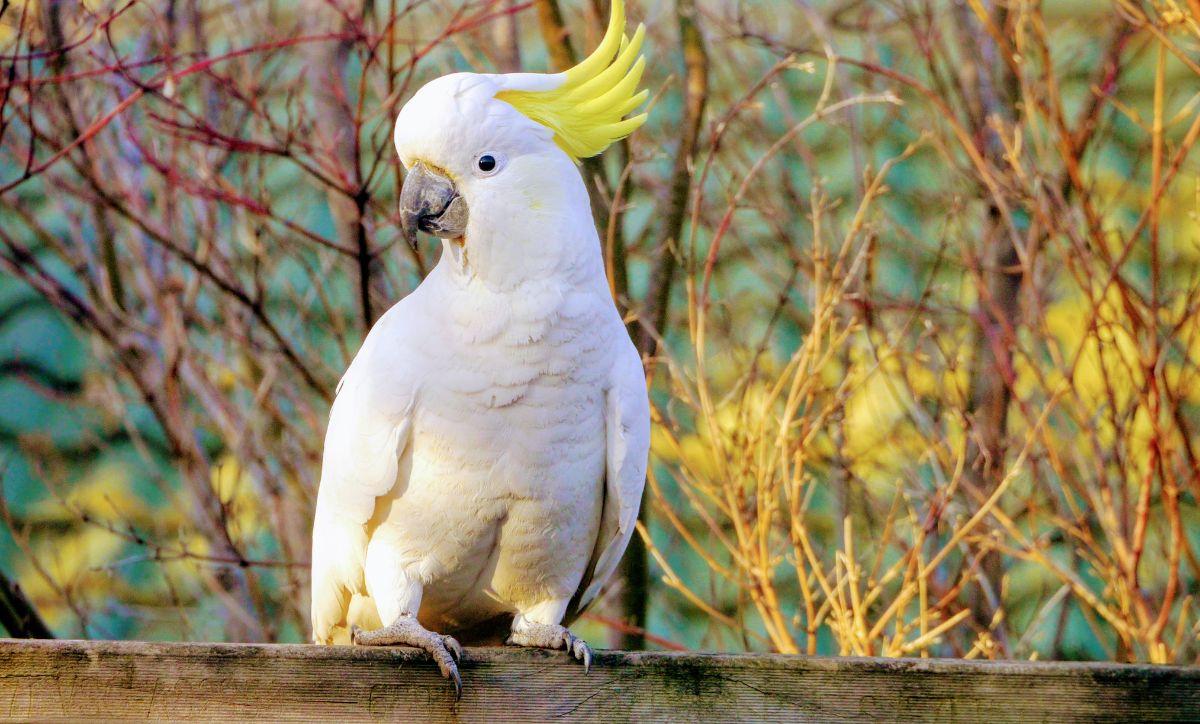
Scientific name: Cacatua galerita
Length: 17–25 inches (44–55 cm)
Weight: 28–30 ounces (793–850 g)
Wingspan: up to about 40 inches (103 cm)
As the most iconic white talking bird, the sulfur-crested cockatoo is a popular pet. They are native to Australia, flock in groups, and are highly intelligent. In captivity, they desire social interaction, leading to mimicry. The cockatoo bears a resemblance to the cockatiel, which is one of many small pet birds that can talk.
The sulfur-crested cockatoo’s beak never stops growing. It gnaws on trees and structures to maintain it, which is why some call it a pest. However, they are loving pets for owners who can handle their talkativeness and demands.
5. Australian Magpie
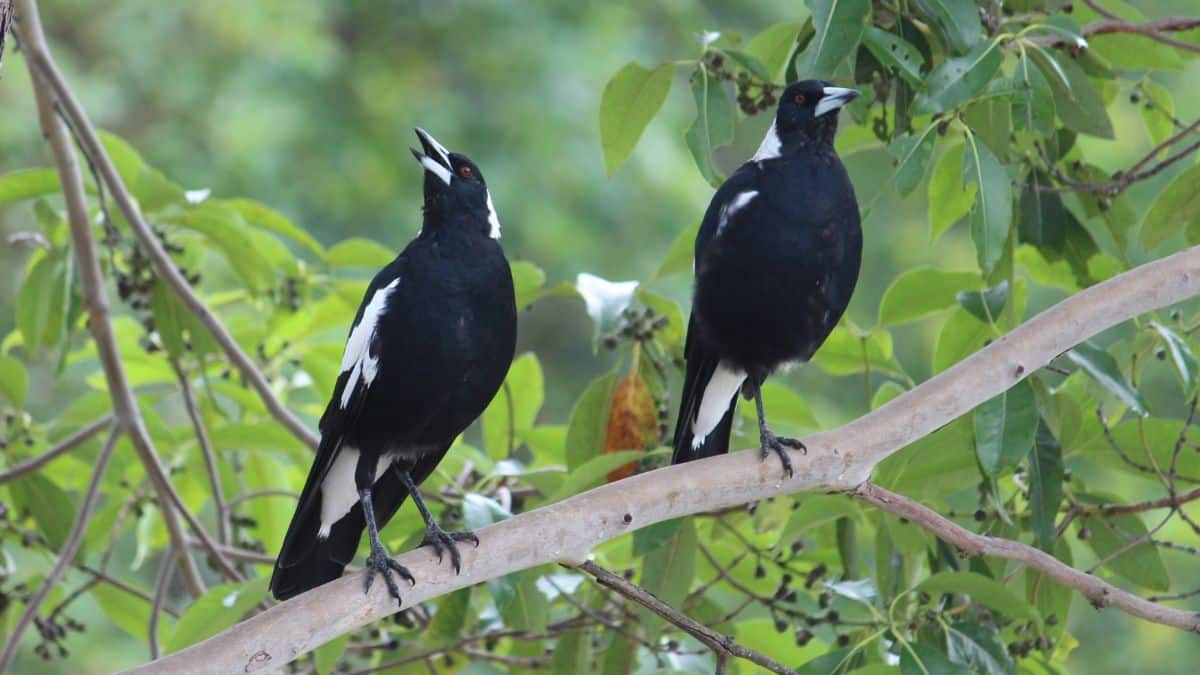
Scientific name: Gymnorhina tibicen
Length: 14–17 inches (36–43 cm)
Weight: 8–12 ounces (226–340 g)
Wingspan: 24–34 inches (60–86 cm)
The Australian Magpie’s orange eyes and dark plumage hide a developed mind. The bird is the only member of its genus, Gymnorhina, and creates some of the most complex sounds in the avian kingdom. Some Australian magpies can sing in as many as four octaves and mimic dogs, horses, and of course, humans.
6. Hyacinth Macaw
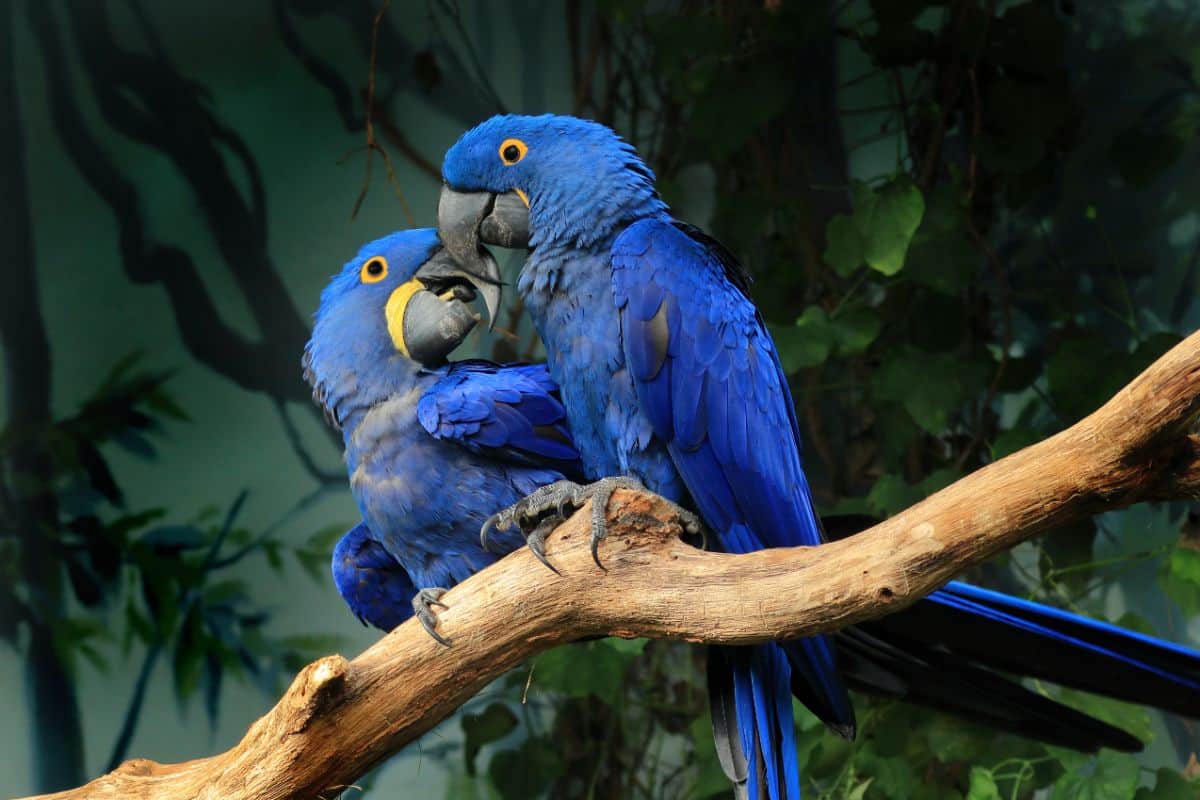
Scientific name: Anodorhynchus hyacinthinus
Length: around 39 inches (99 cm)
Weight: 42–60 ounces (1190–1700 g)
Wingspan: 30–34 inches (80–95 cm)
The Hyacinth macaw is the largest parrot species on the planet, full-grown adults measuring about three feet long. They are exclusive to three regions in South America. Unlike other mimicking birds, the Hyacinth macaw is known as a “gentle giant” because of its calm disposition, even in the wild. The birds are also intelligent and use tools like gnawed sticks.
In captivity, hyacinth macaws will mimic humans and sing in many tones.
7. Galah
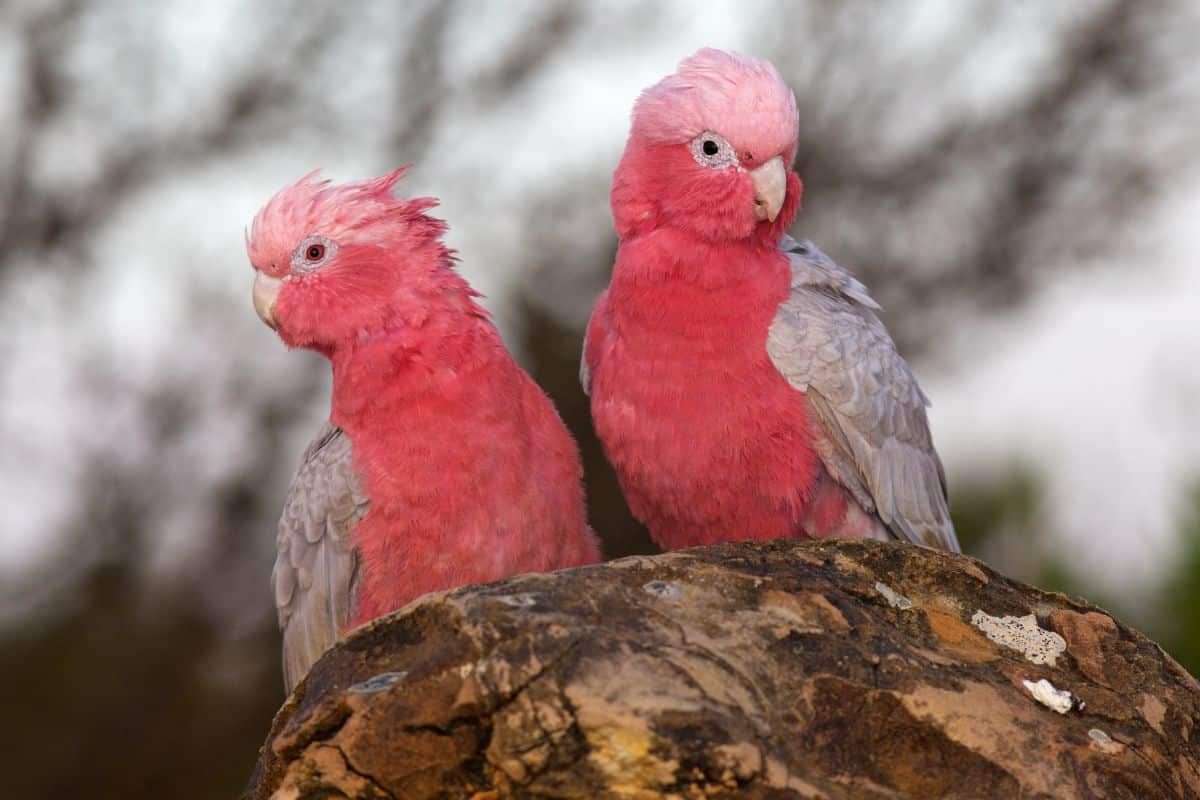
Scientific name: Eolophus roseicapilla
Length: around 14 inches (35 cm)
Weight: 10–12 ounces (270–350 g)
Wingspan: about 29 inches (75 cm)
If you’ve ever been to Australia, you’ve likely seen the rosy pink breast of a Galah. The birds are related to cockatoos, exhibiting the lively social behavior of their genetic cousins. In captivity, they can learn to talk, but they cannot say as many words as some larger parrots. Nevertheless, they are playful and beautiful both in the wild and in a loving home.
8. Rainbow Lorikeet
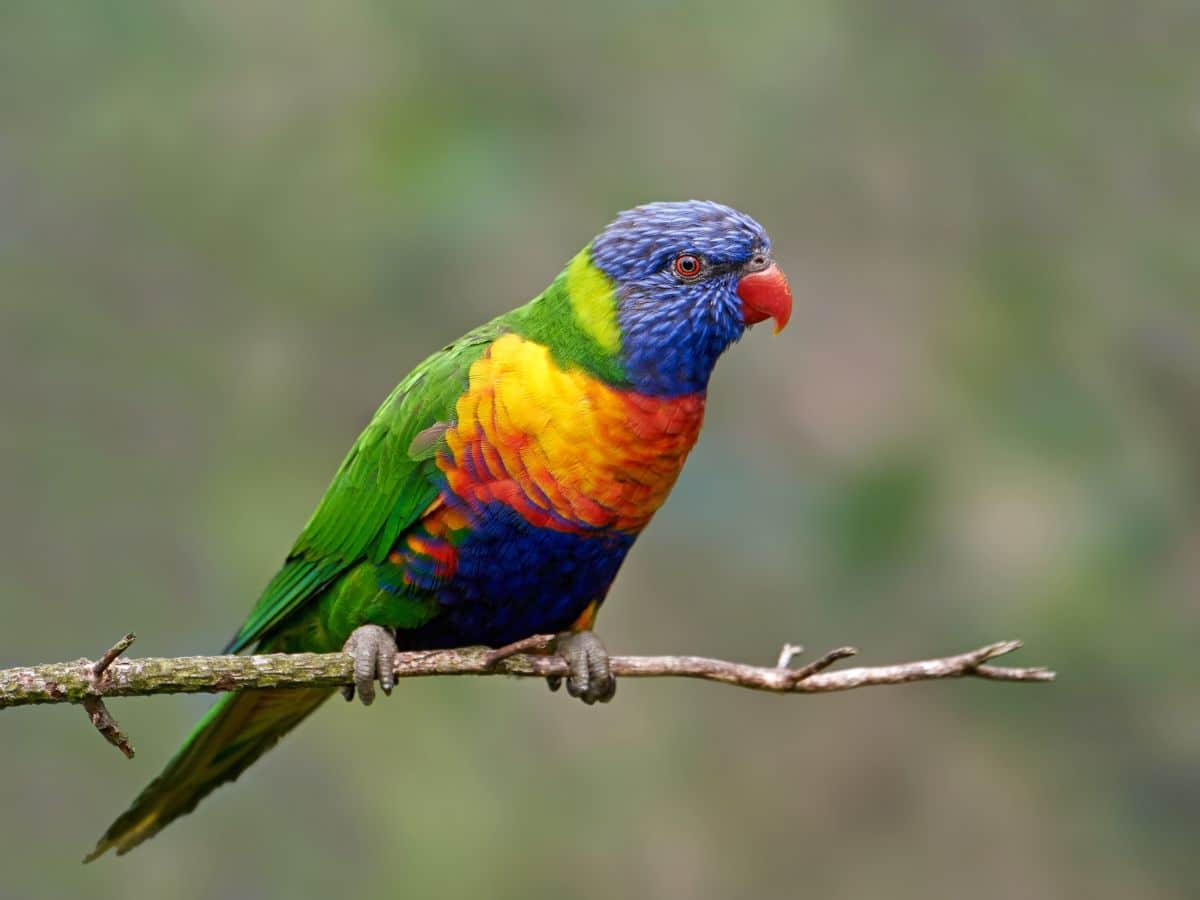
Scientific name: Trichoglossus moluccanus
Length: 10–12 inches (25–30 cm)
Weight: 2.5–5.5 ounces (75–150 g)
Wingspan: about 7 inches (17 cm)
The rainbow lorikeet has the most color variety of any mimicking birds on this list. Native to Australia, they are medium-sized parrots that tend to travel in pairs with their mates, who they keep for life if possible. Lorikeets, unlike larger birds, don’t have complex mimicking capabilities, but they can pick up some words and sounds, especially in captivity.
9. Common Raven
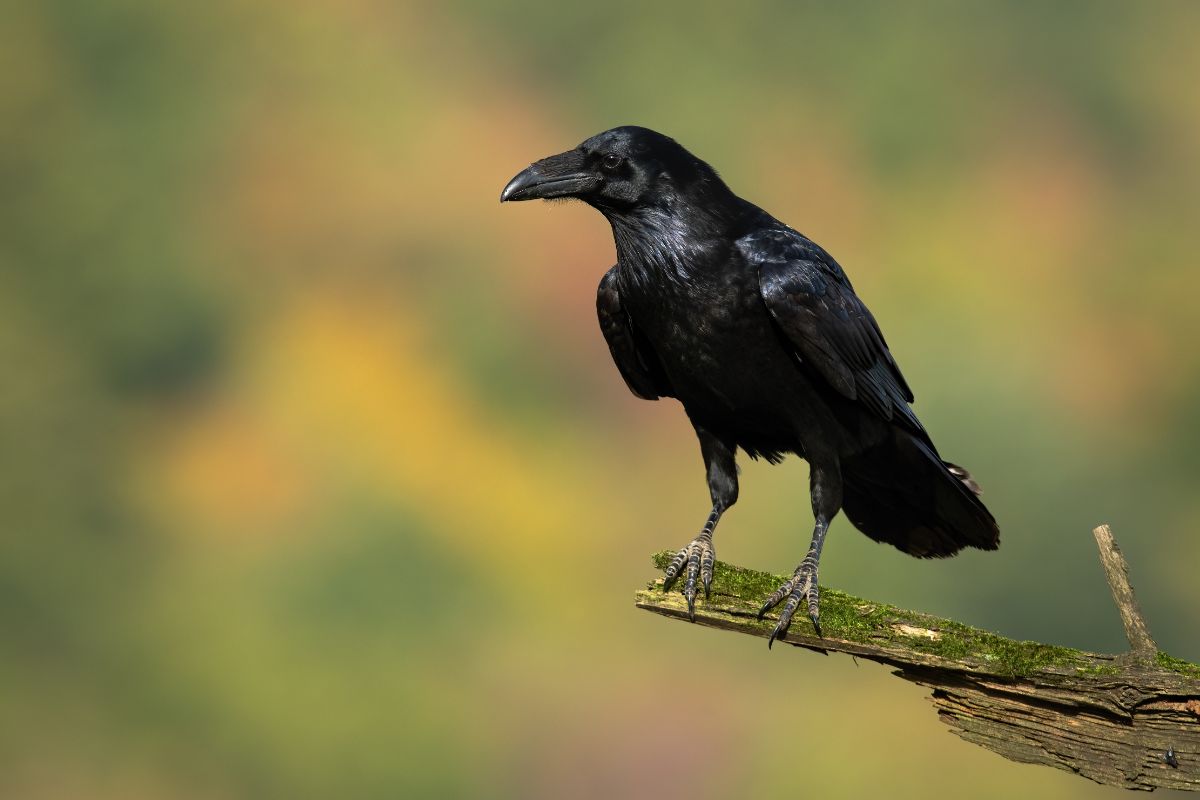
Scientific name: Corvus corax
Length: 25 inches (63 cm)
Weight: about 40 ounces (1200 g)
Wingspan: 45 to 51 inches (115–150 cm)
The common raven is one of the most significant birds to cultures worldwide. Some revere them as gods or omens, but others keep them as pets. They have the longest legacy of human coexistence among all birds, and there are even six domesticated ravens living in the Tower of London.
Ravens have the biggest brains of any bird, which they demonstrate by problem-solving, imitating, and collecting various objects. A corvid’s speech abilities are limited to a small vocabulary, but they are still among the most intelligent birds.
10. Sun Conure
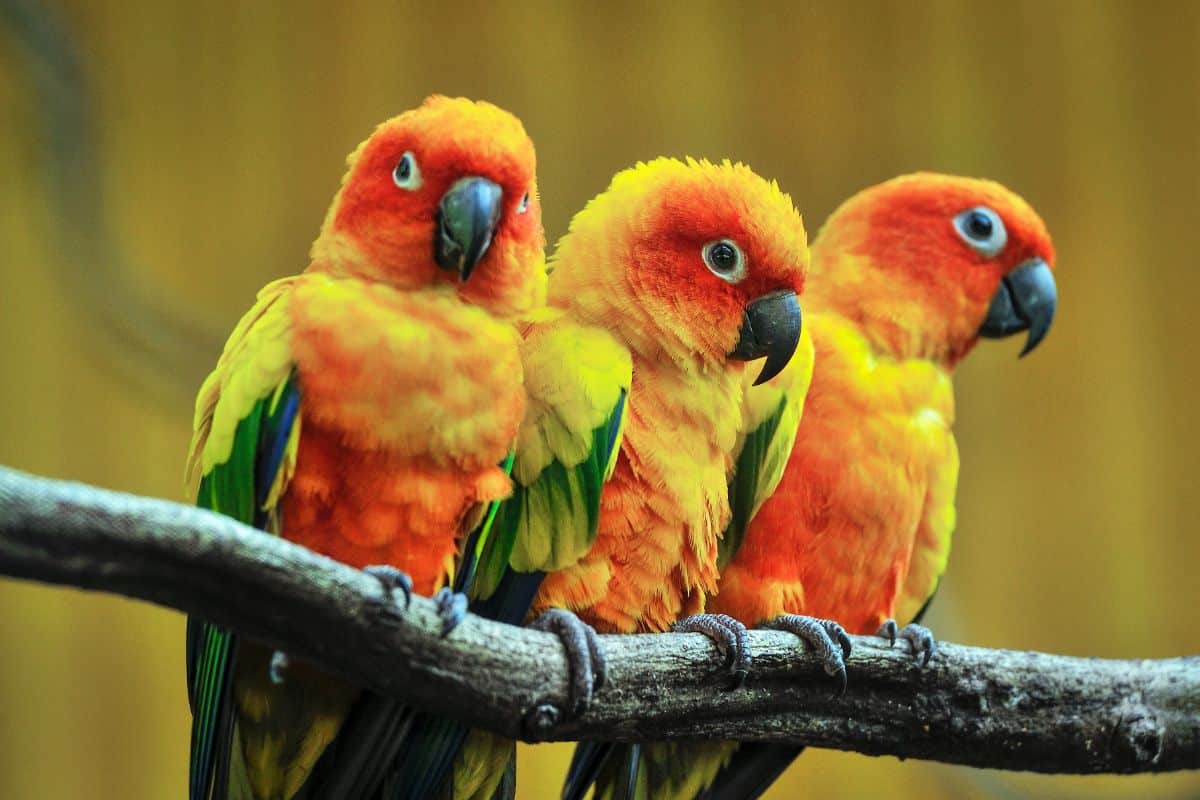
Scientific name: Aratinga solstitialis
Length: about 12 inches (30 cm)
Weight: about 4 ounces (120 g)
Wingspan: 5 to 6 inches (12–15 cm)
Sun conures are gentle and amiable birds with tropical plumage colors. They mate for life and are common as pets despite being an endangered species in the wild. As social creatures, sun conures exhibit lively shrieks much louder than their size. With steady dedication and interaction, they can learn household words and even mimic music.
11. European Starling
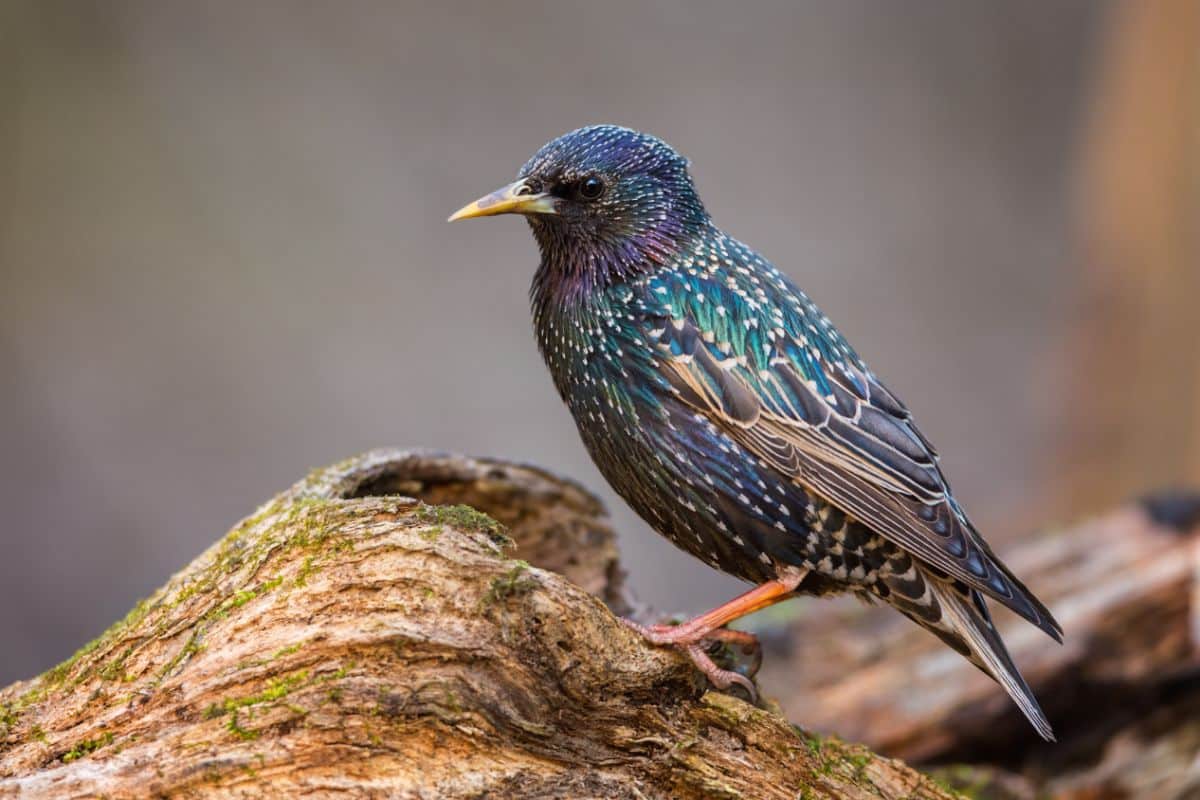
Scientific name: Sturnus vulgaris
Length: 7–9 inches (19–23 cm)
Weight: 2–4 ounces (58–101 g)
Wingspan: 12–17 inches (31–44 cm)
The European starling is a common bird across much of the Northern Hemisphere, but many people don’t know they can talk. In the same family as the common mynah, the speckled avians can sing up to 35 distinct songs in the wild. In captivity, they can learn to accurately say various words or phrases. The males have larger syrinxes for better vocal capabilities.
The European starling is another common bird with more intelligence and talent than meets the eye.
Frequently Asked Questions
You’ve met our sample of eleven birds that talk. Now, let’s clear up some common questions about them.
What is the most talkative bird?
Many aviculturists believe that the African Gray is the most talkative bird. It is vocal, lives in social packs, and has a sense of curiosity comparable to a toddler. They need dense social enrichment every day in captivity.
Which bird is the easiest to teach to talk?
Owning a bird is a big commitment due to their high attention needs, but the monk parakeet (also called a Quaker parrot) is one of the easiest speech-capable birds to own. It has a respectable lifespan of 20 to 30 years in captivity, brilliant colors, and is gentle by nature.
Which birds can mimic human speech?
In general, birds in the parrot, corvid, starling, and magpie families are capable of human speech. To be eligible, a bird must be intelligent and have a syrinx capable of making complex sounds.
Conclusion
Many birds talk, and the birds that talk the best represent the height of avian intelligence. You don’t have to own a curious, squawking pet to see a speech-capable bird. Many, like ravens, magpies, and starlings, are in your community, chatting in groups or flying solo.