
There are over 11,000 identified species of birds around the world. With so many feathered friends, it is fun to categorize birds into groups to compare their similarities and differences.
Let’s look at 47 birds that start with the letter C.
Contents
1. Canary
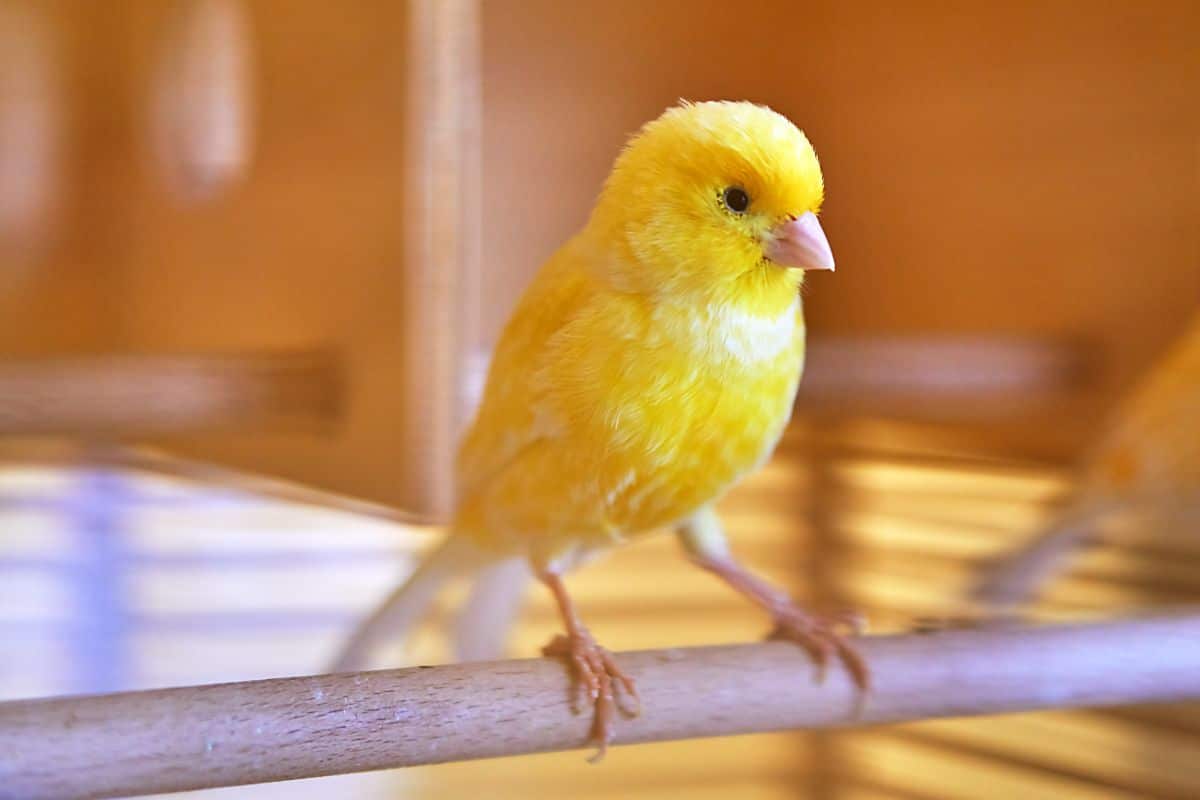
The yellow canary is known for its beautiful song and bright color. A member of the finch family, the canary is among the most domesticated birds around the world.
2. Cockatoo
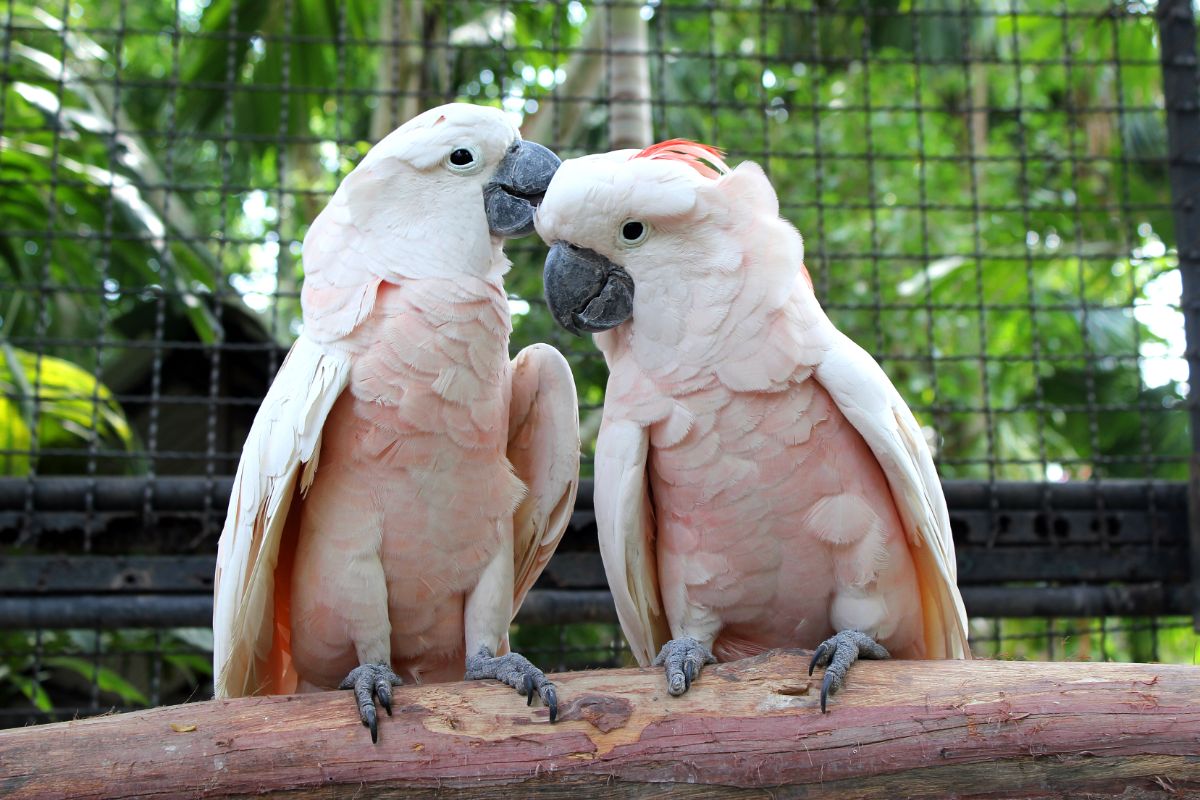
The cockatoo is not as colorful as other members of the parrot family, typically white or gray with color on the cheeks. The bird is recognizable by its thick curved bill and large crest.
3. Cockatiel
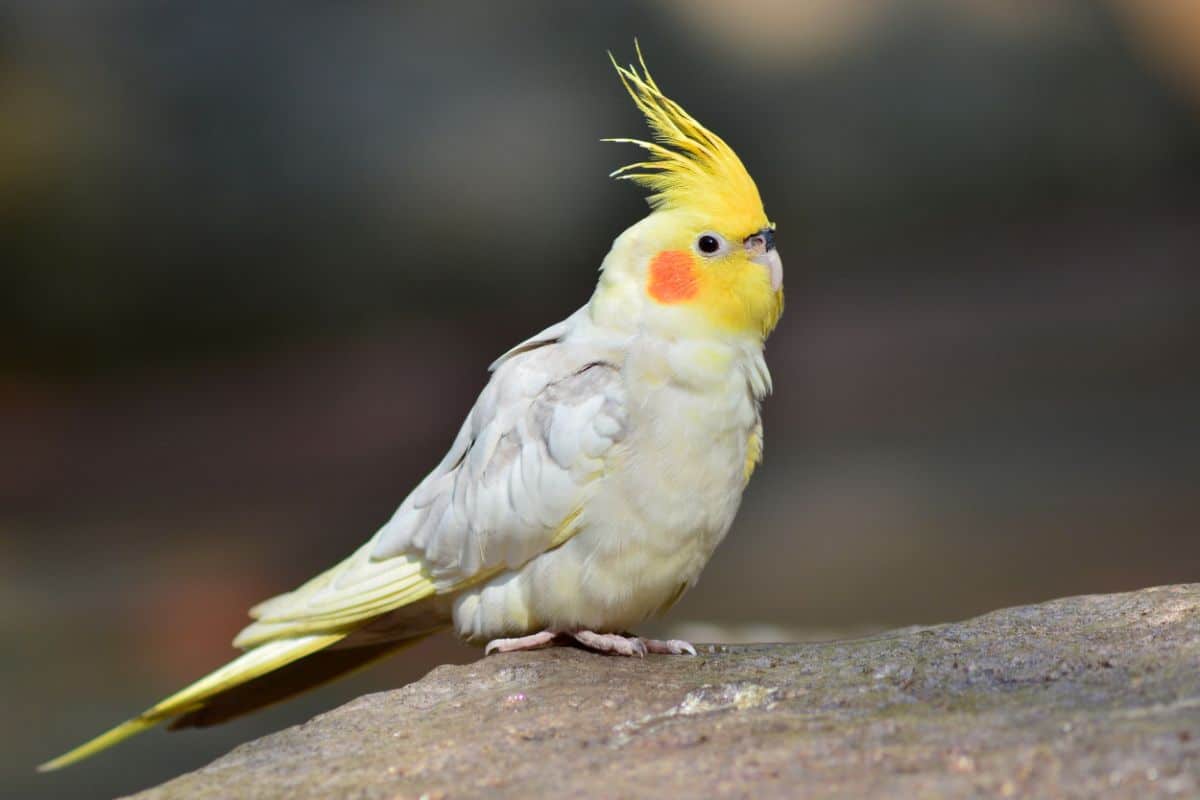
The cockatiel is a smaller member of the cockatoo family. They are very popular as domestic pets because they mimic the human voice.
4. Chickadee
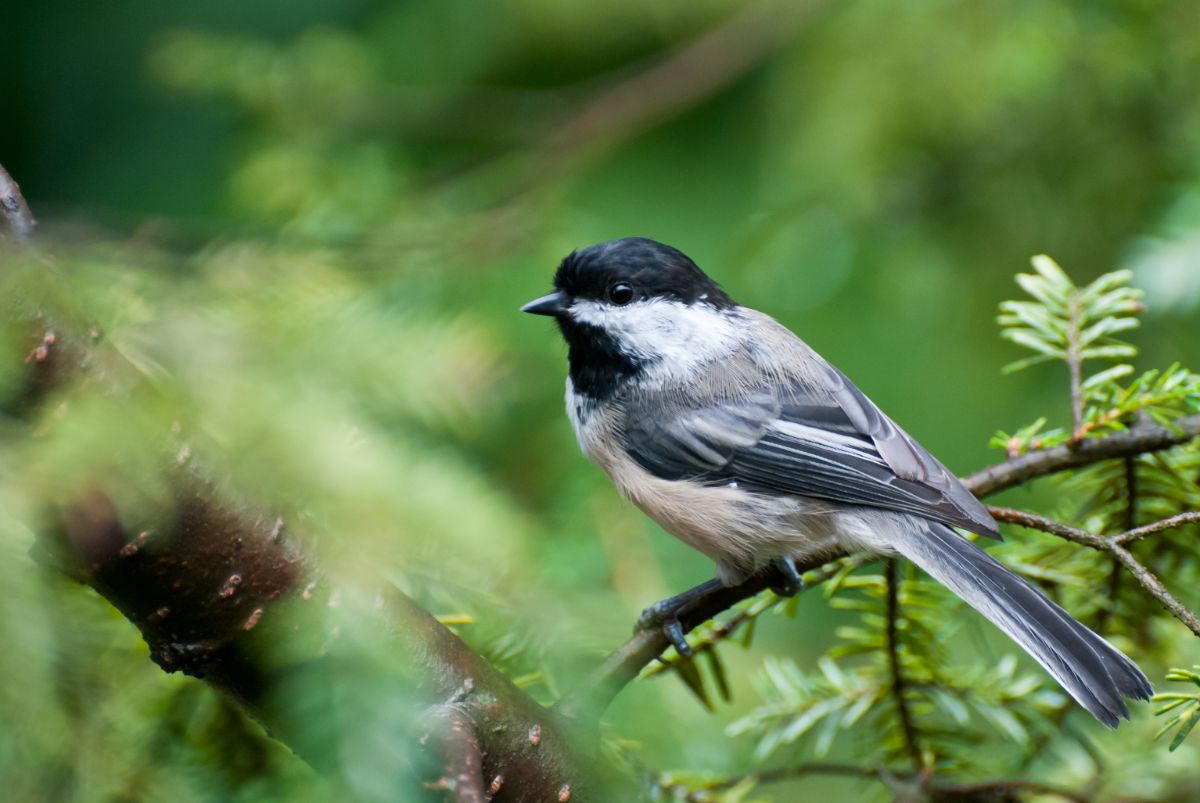
The chickadee gets its name from the distinctive “chick-a-dee-dee-dee”of its call. It is a member of the tit family and lives across North America.
5. Crow
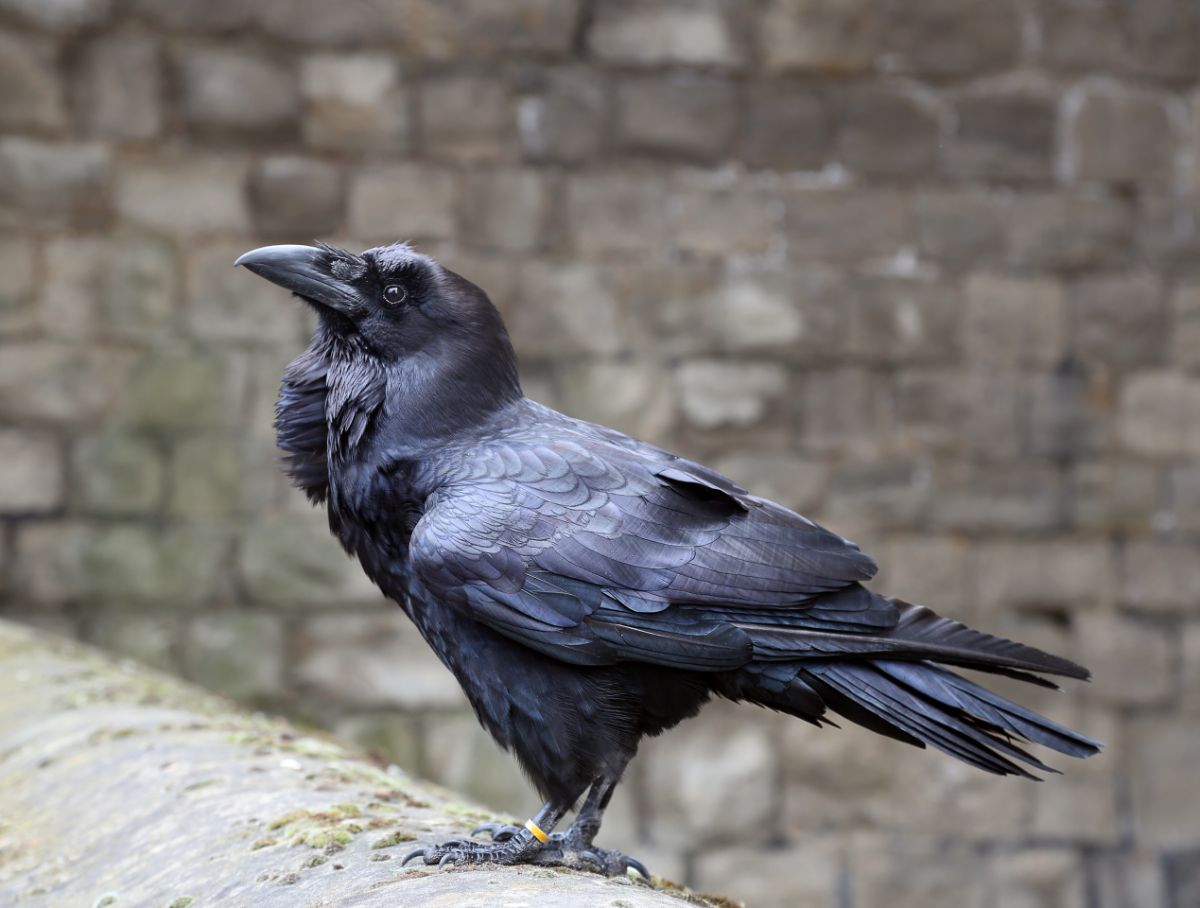
The crow is one of the most intelligent animals on the planet. Identifiable by its glistening black feathers and distinct “caw,” the crow is a relative of the raven and rook.
6. Canada Goose
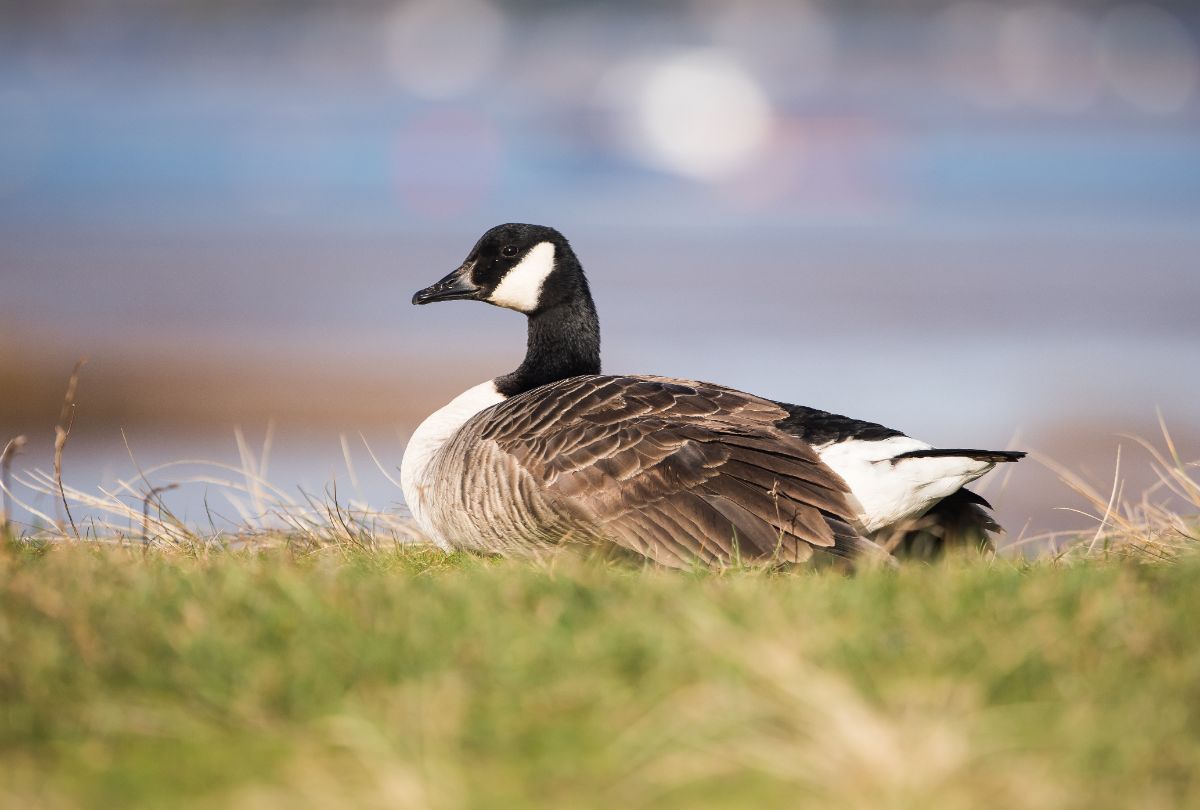
The Canada goose is a large migratory bird found near water in North America. It has a black head with white cheeks and a long neck.
7. Chicken
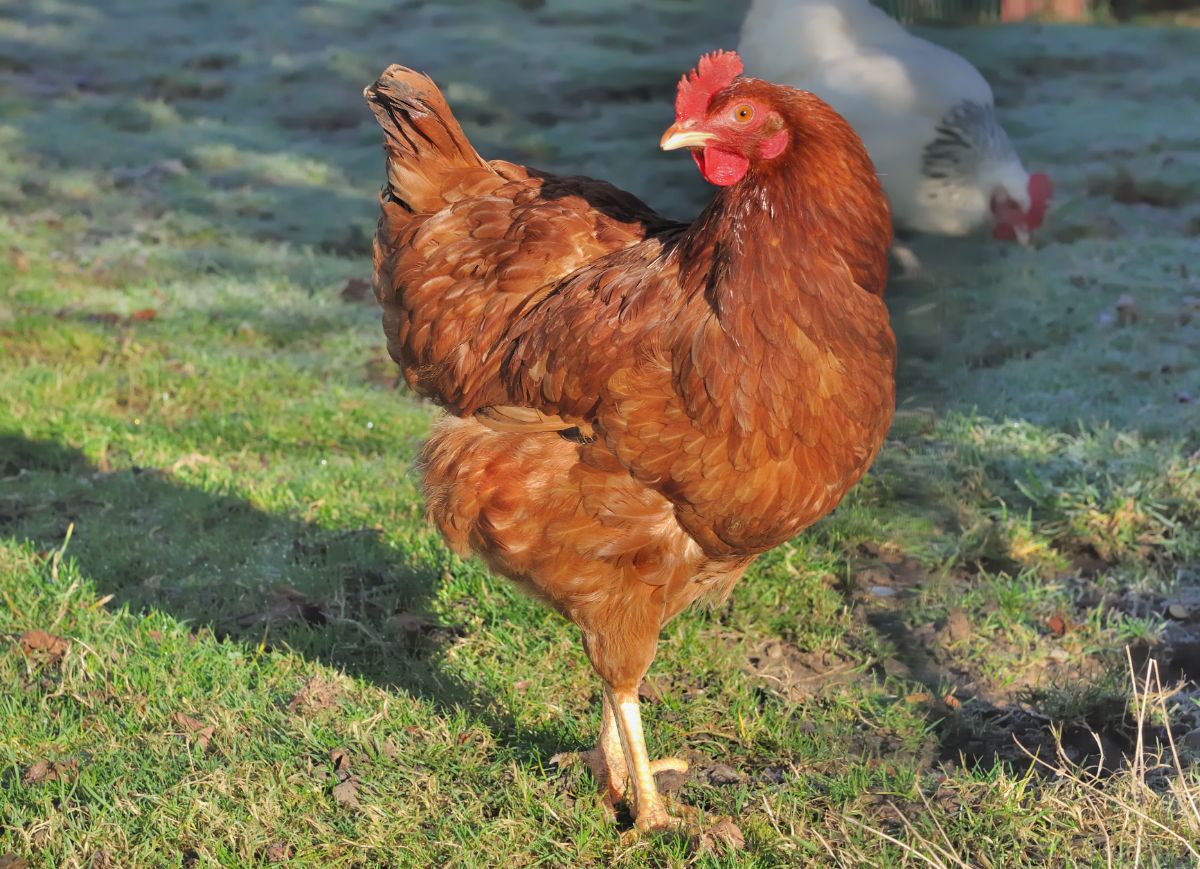
Chickens are the most common bird in the world, with a population of nearly 25 billion. Although they can be pets, they are often a source of meat and eggs.
8. Carrier Pigeon
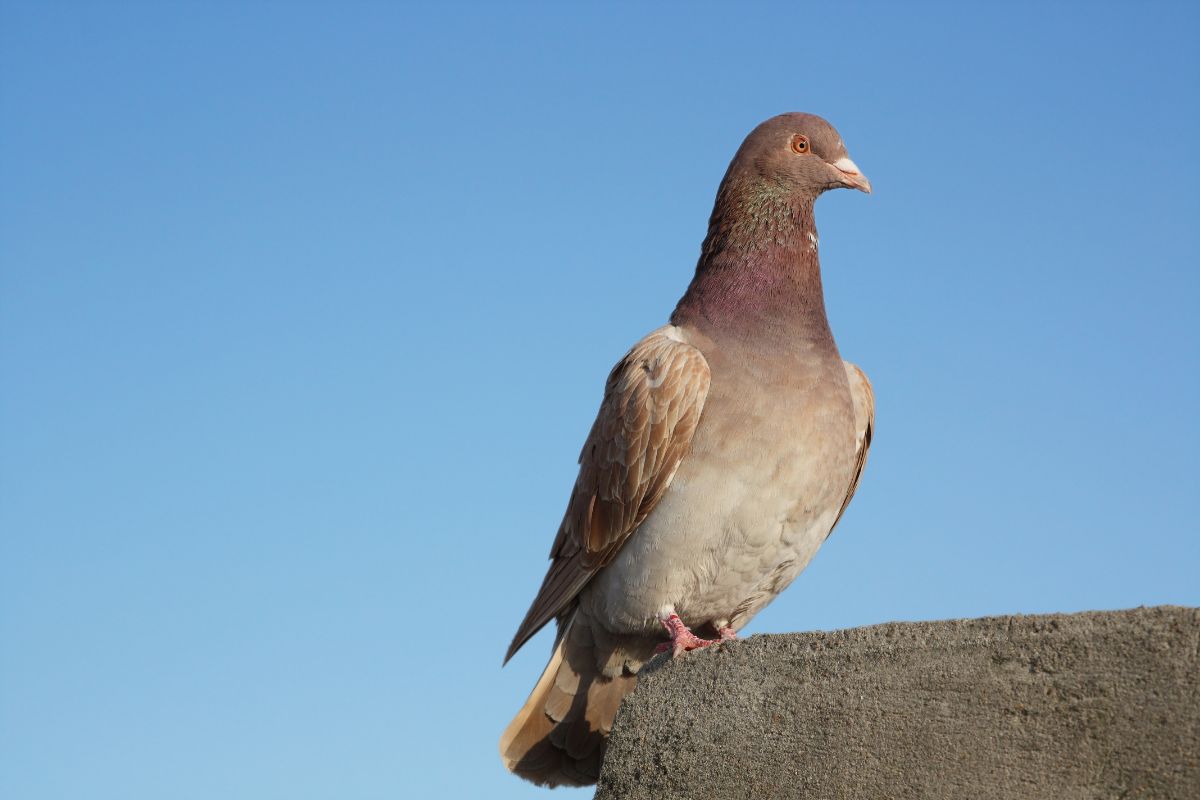
Pigeons are known for their innate ability to find their way home. Before the telephone, carrier pigeons were used to send messages over a great distance.
9. Crane
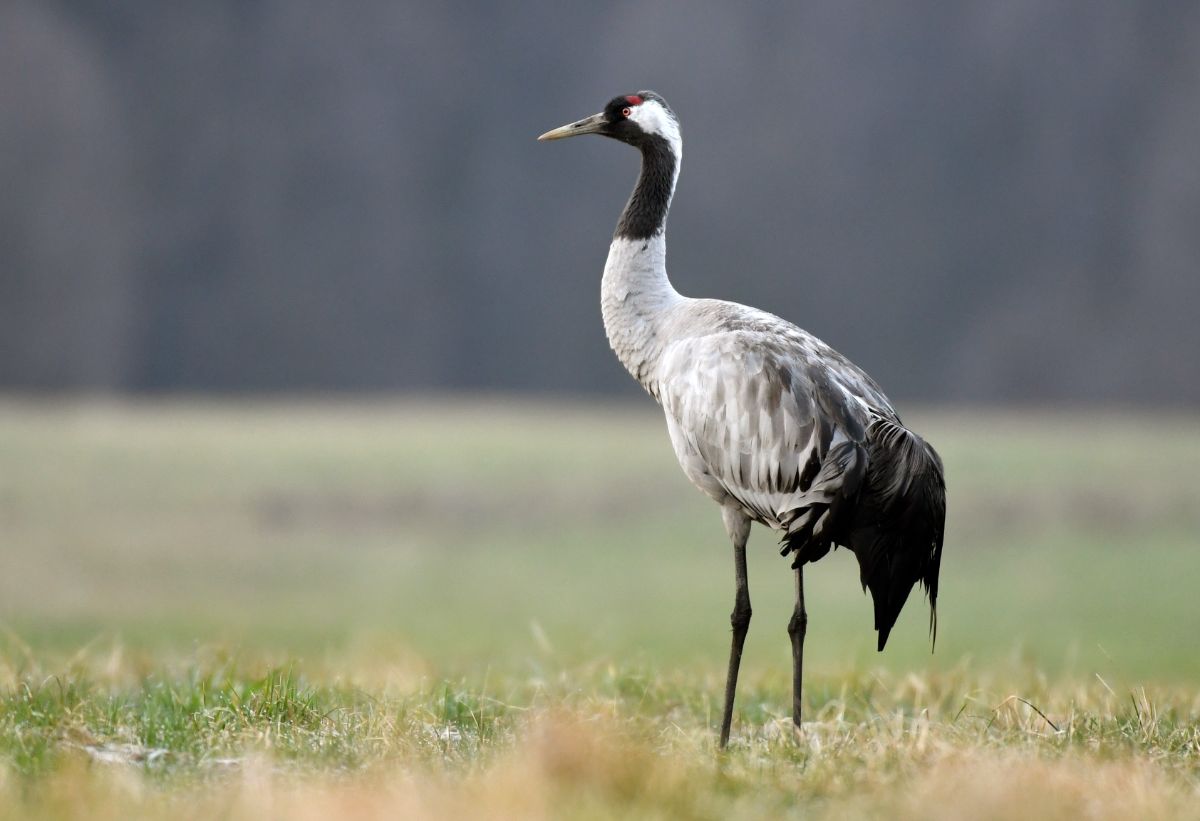
Cranes are recognizable by their long necks and long legs. They live near ponds and wetlands, where they eat small rodents, frogs, and insects.
10. Cormorant
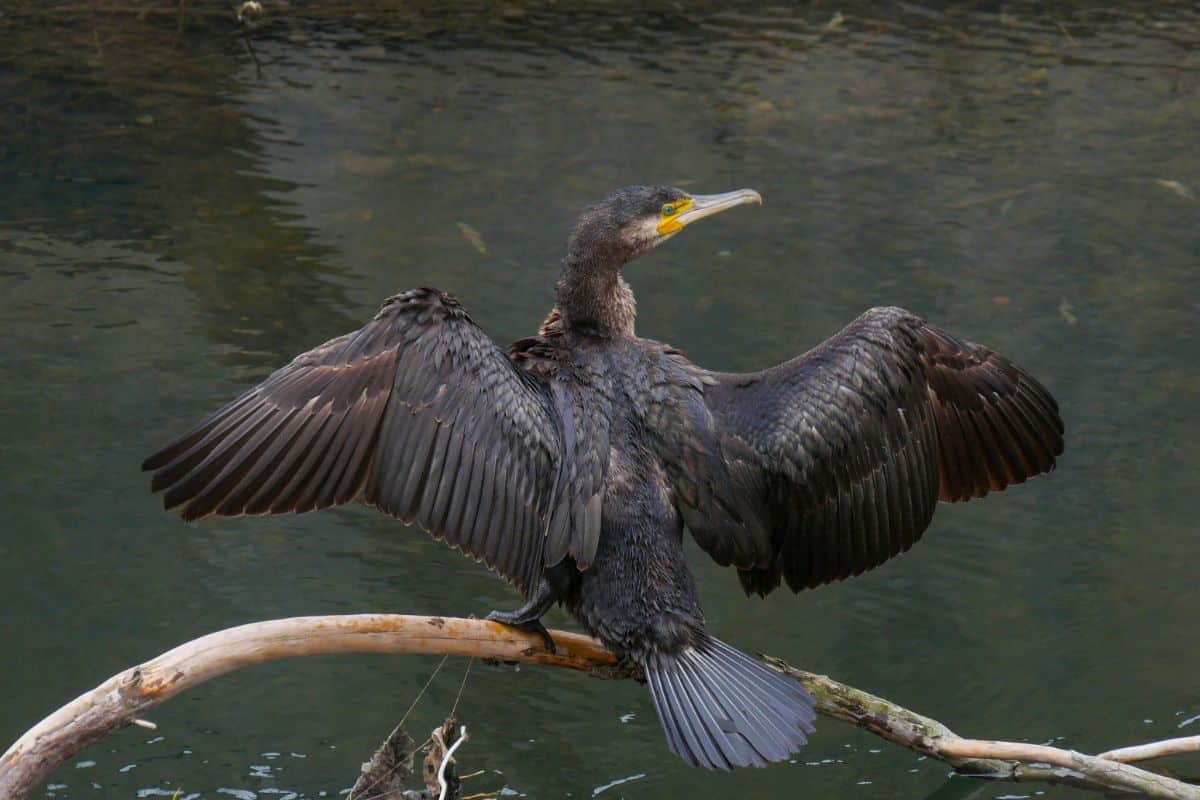
The Cormorant has a wide wingspan. They are excellent divers and can submerge as much as 150 feet.
11. Calliope Hummingbird
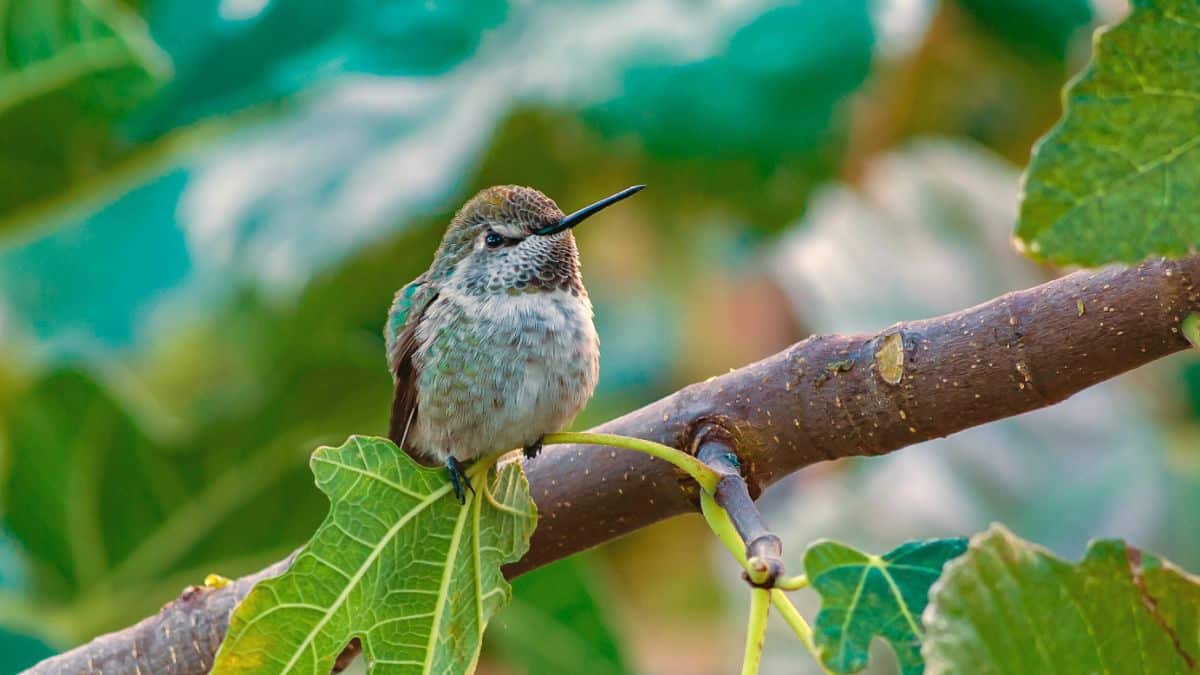
The Calliope Hummingbird is one of the smallest birds found in North America. It has glossy green feathers on its crown and back and migrates to Mexico and Central America for the winter.
12. Cardinal
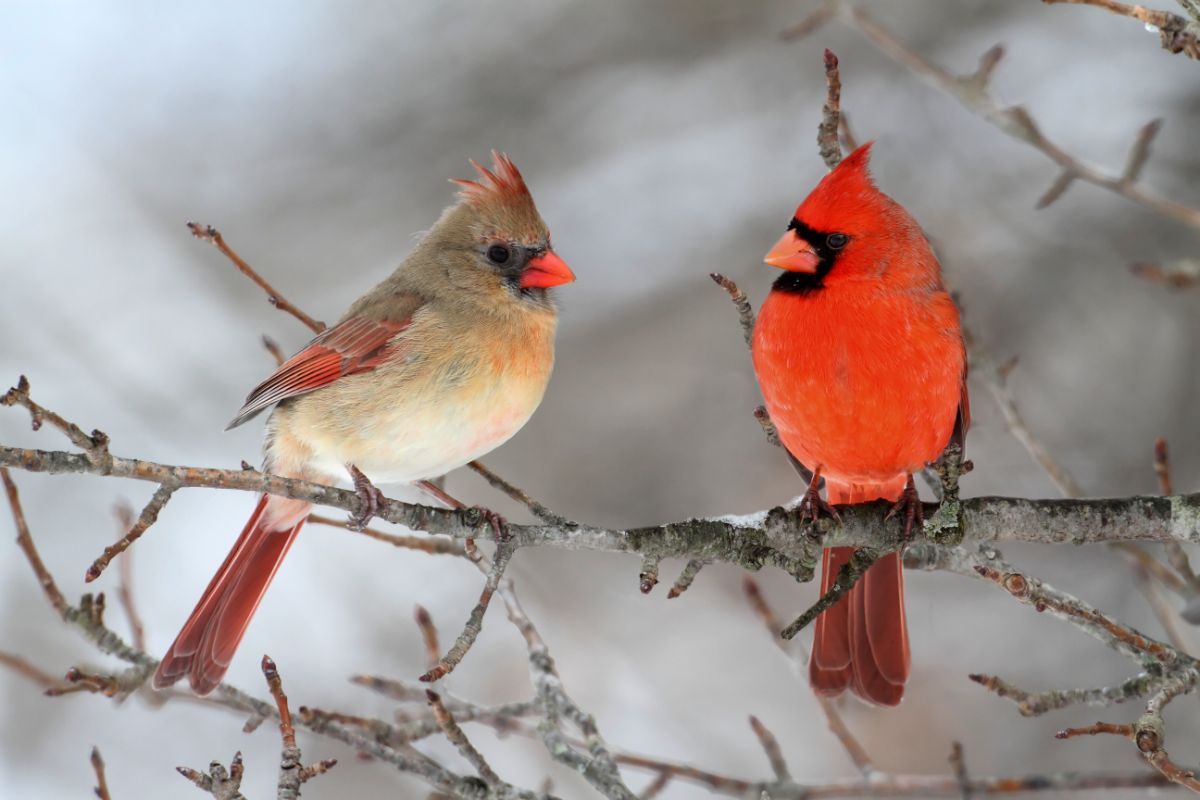
The male cardinal is known for its bright red plumage and black cheeks. Females tend to be brown to blend into their habitat while nesting.
13. Condor
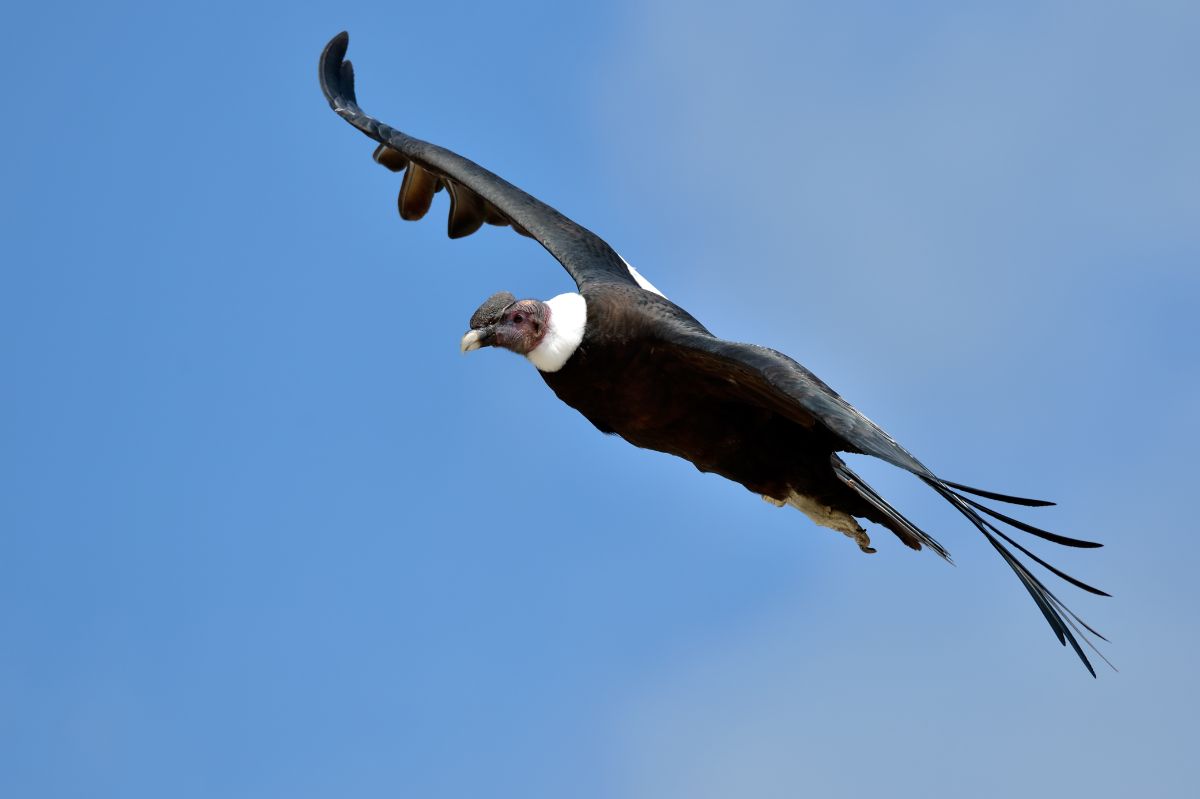
Condors look like vultures and are one of North America’s largest flying land birds. Often all black with white feathers around the neck, the Condor has a three-meter wingspan.
14. Cassowary
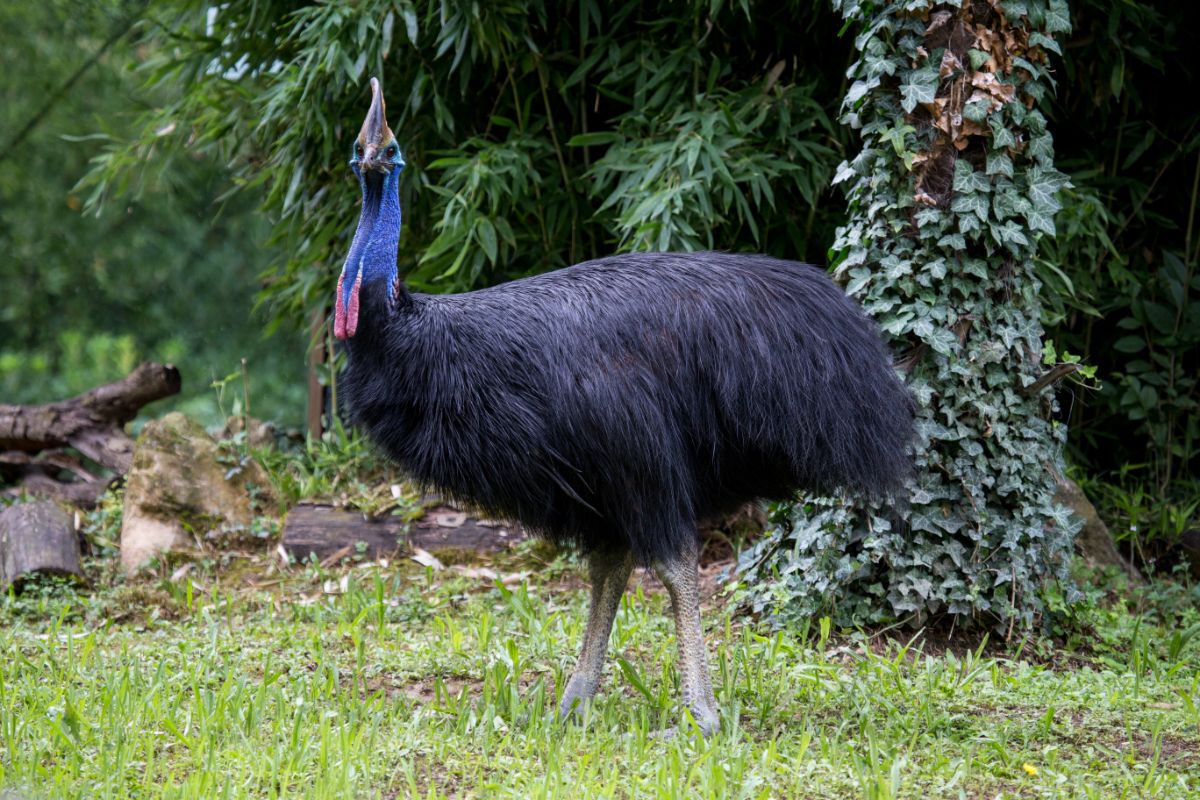
The Cassowary is a flightless bird with a bright, colorful head and neck. It is one of the most dangerous birds, inflicting fatal injuries to humans and small animals.
15. Canada Nuthatch
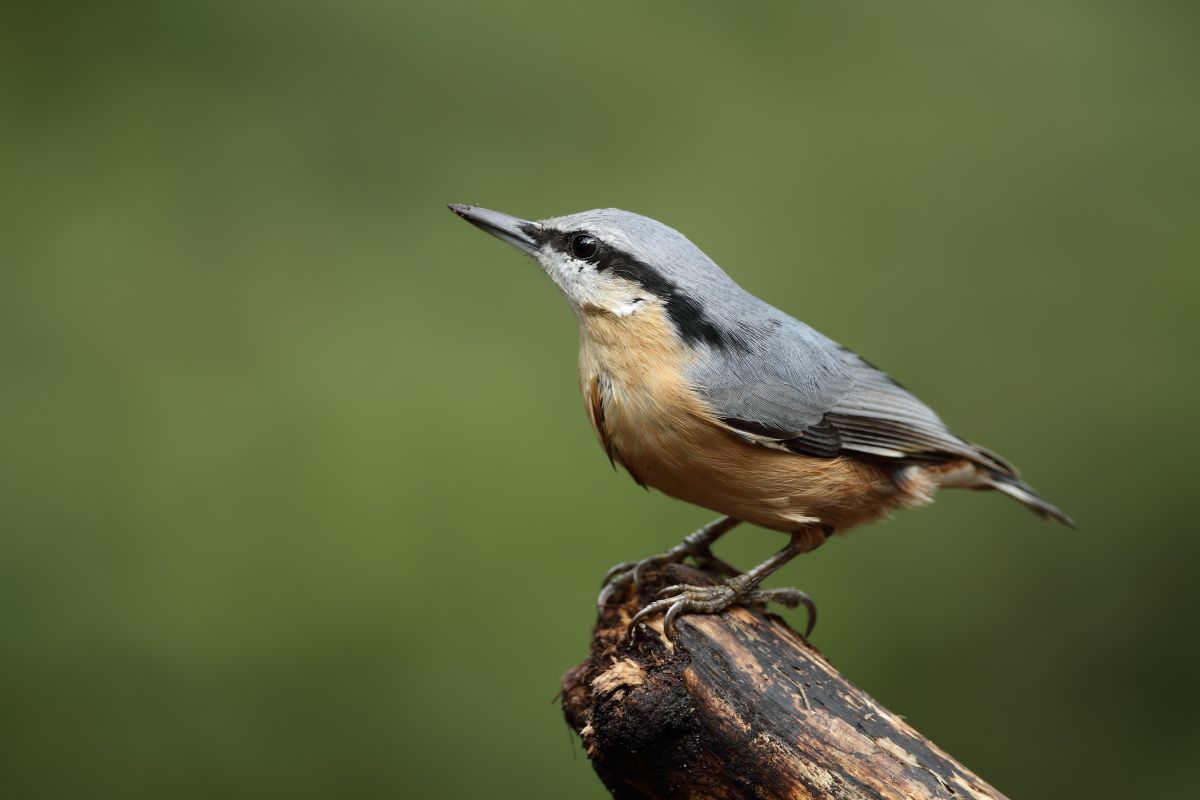
The Canada Nuthatch is a small bird with a white or red breast. Although some of these birds will migrate, others will spend the winter in Canada.
16. Creeper
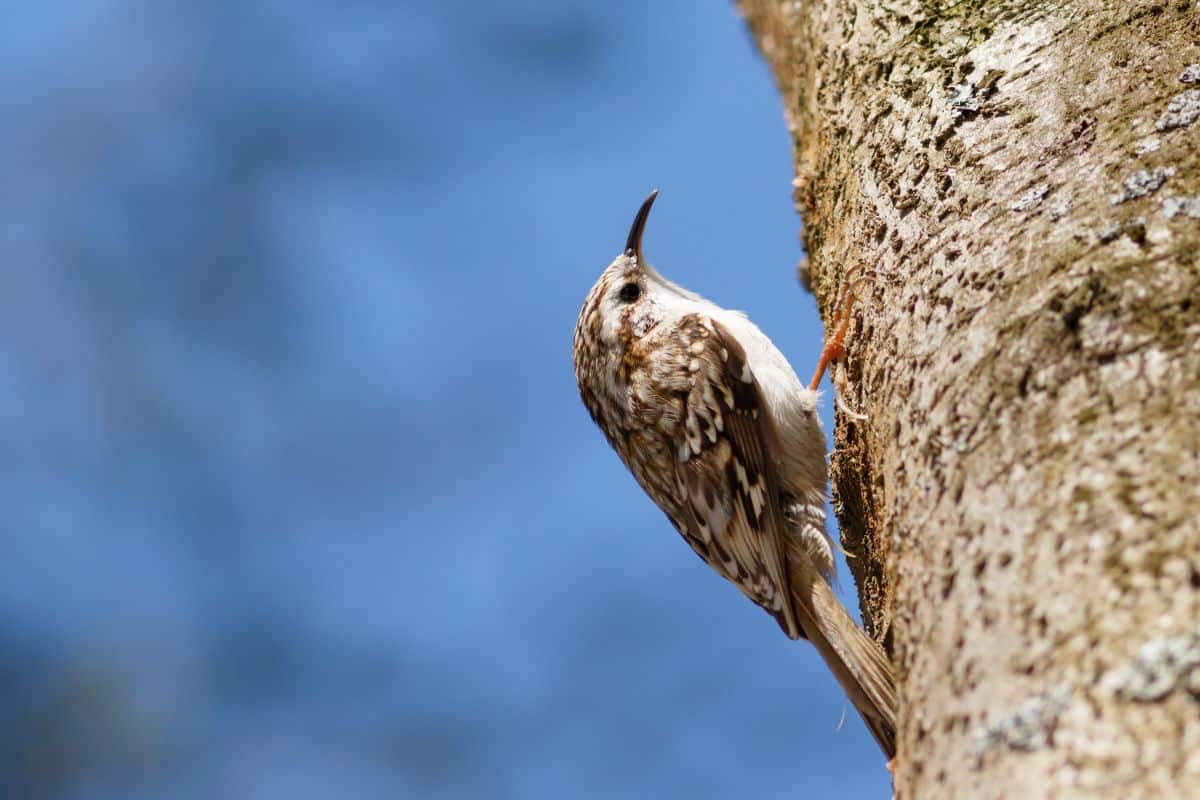
There is ten species of Creepers. It is a songbird with a white belly and brown feathers with light spots.
17. Canvasback
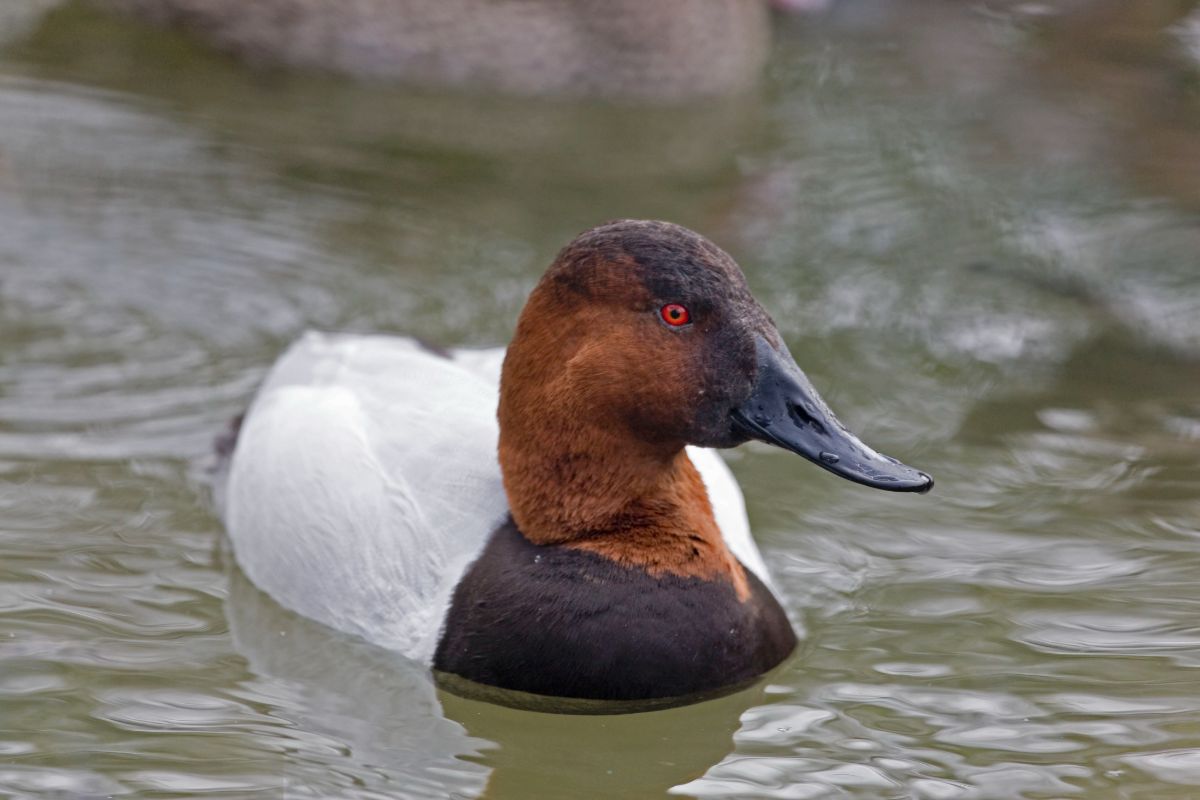
The Canvasback is a diving duck with a red head and neck with light gray feathers, found primarily in North America.
18. Canyon Wren
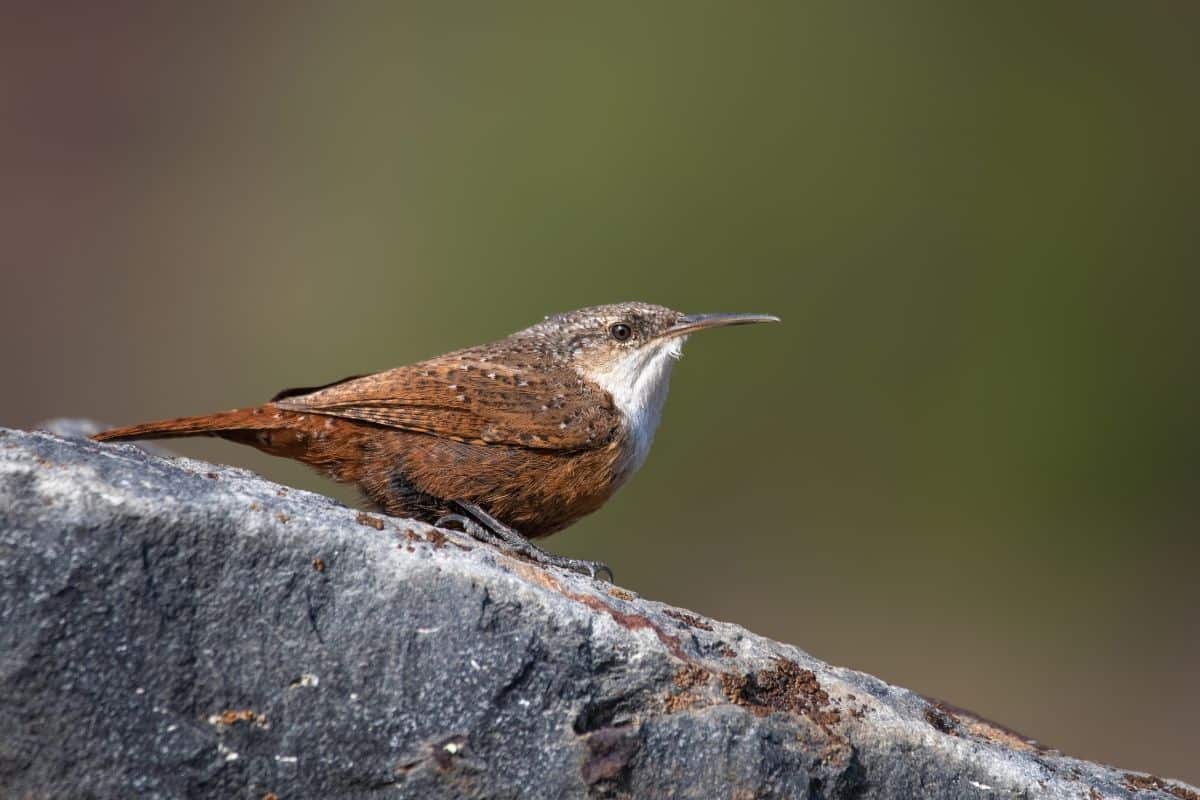
The Canyon Wren uses its brown feathers to blend in with the rocky habitat. Although sometimes difficult to see, this wren has a distinctly loud song.
19. Cactus Wren
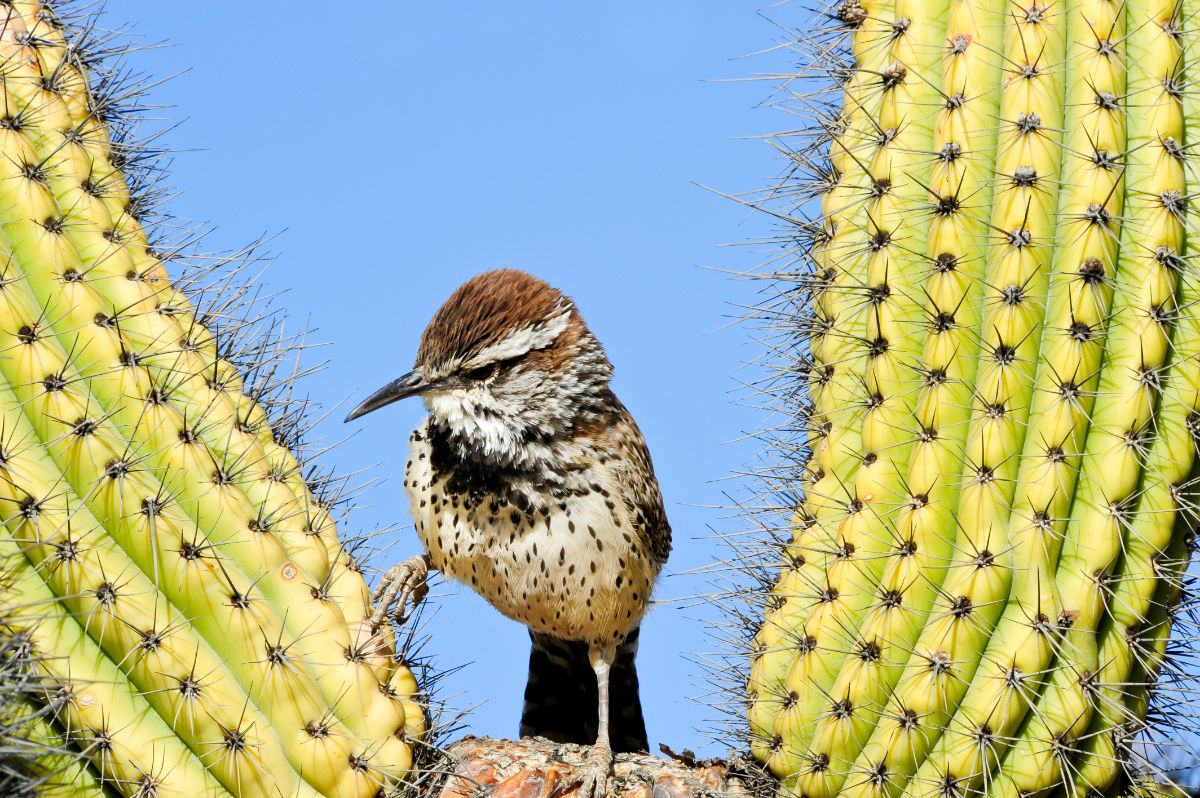
The Cactus Wren is found in the southwestern United States and has a raspy song described as a car that won’t start.
20. Campbell Island Teal
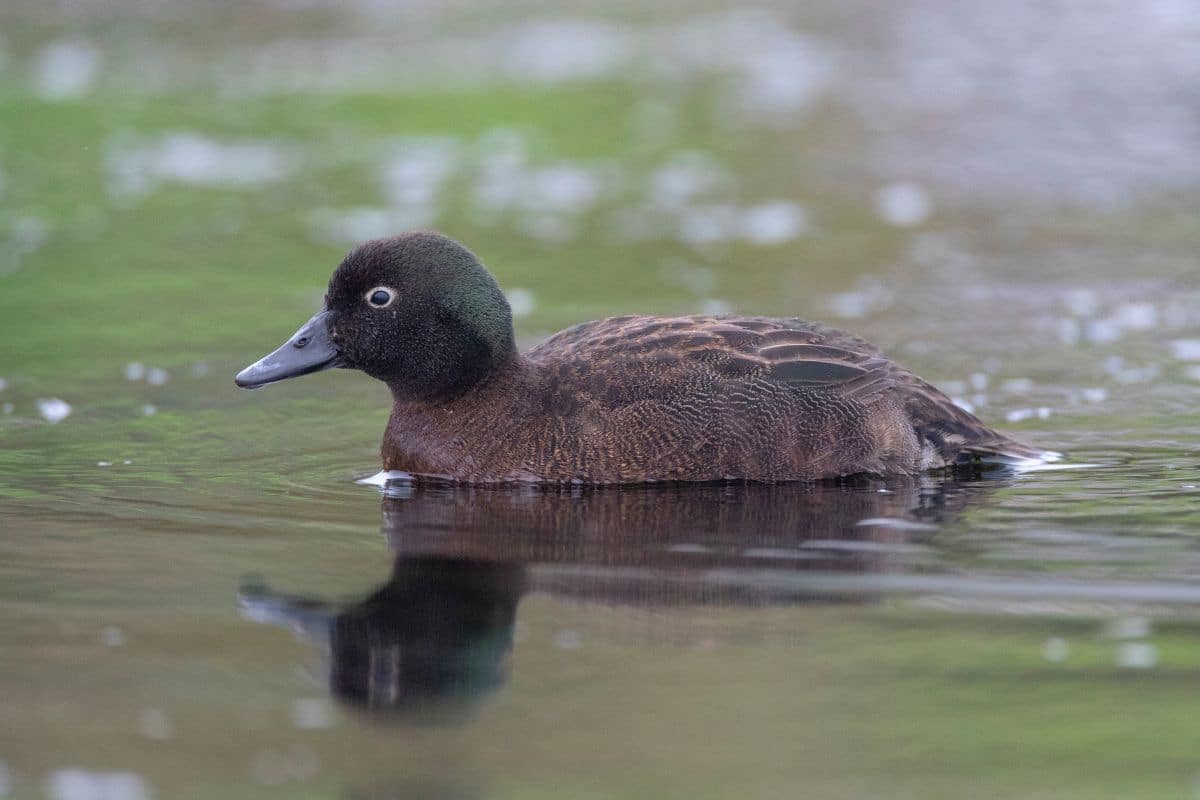
The Campbell Island Teal is a flightless duck found in New Zealand. The species was almost extinct, but a campaign reintroduced the birds to the island.
21. Calandra Lark
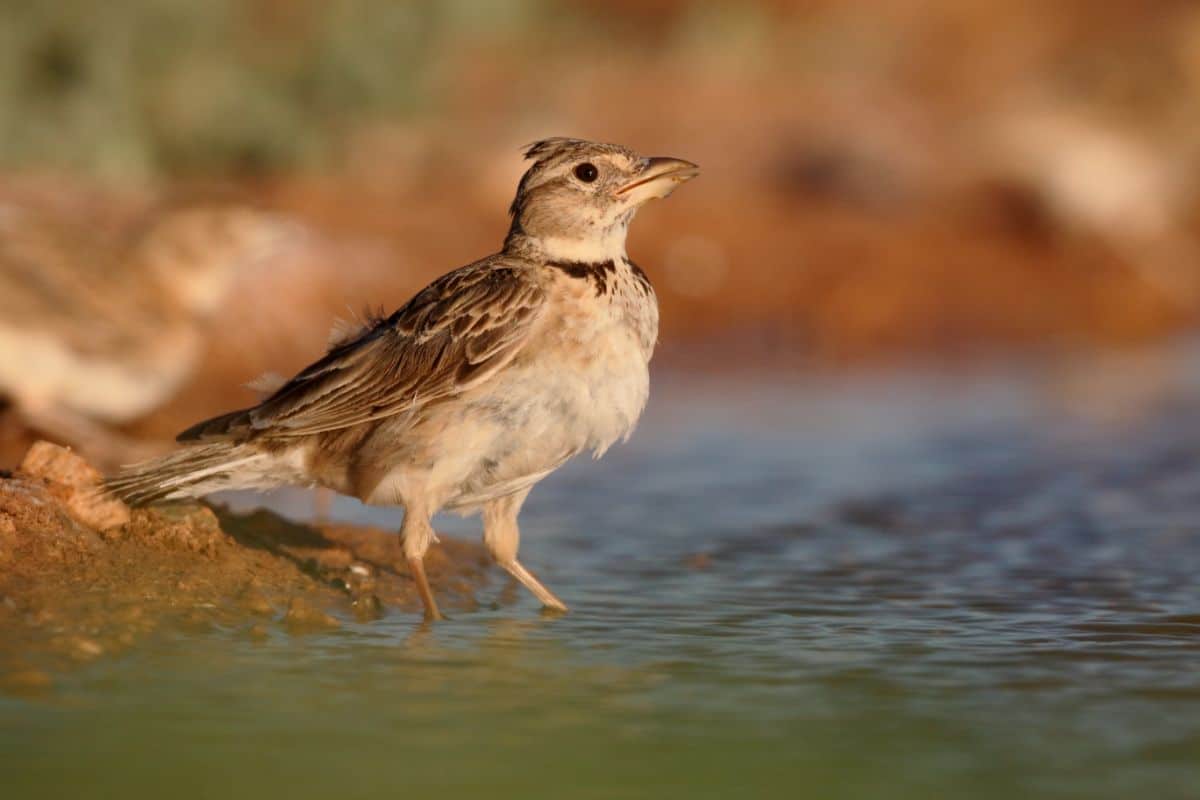
The Calandra Lark is found in warm Mediterranean climates and as far east as Turkey and Russia. It nests on the ground and feeds on seeds and insects.
22. California Valley Quail
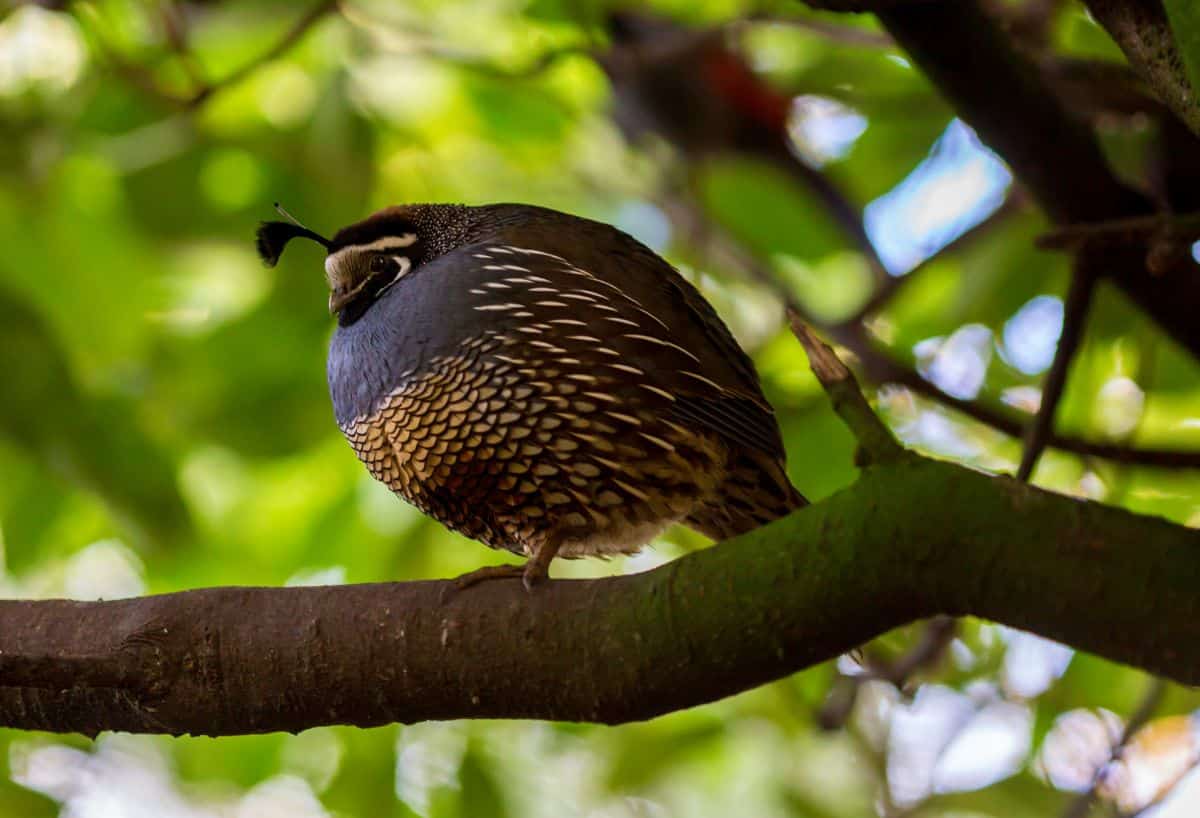
The Valley Quail enjoys a dust bath by wriggling and flapping its wings in the dirt. The bird is often with other members of its species.
23. Coot
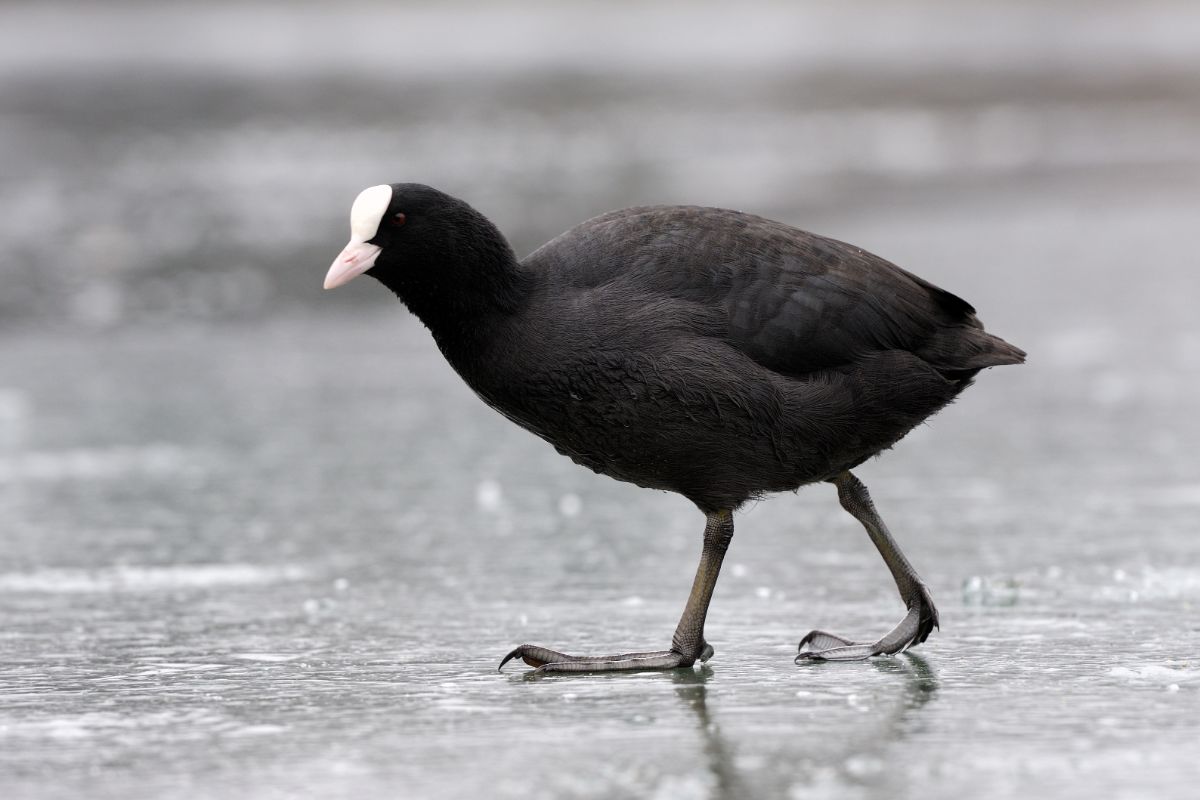
Coots are water birds with a distinct white shield on the forehead. They are fiercely territorial during the breeding season and often allow the weaker chicks to die when food is scarce.
24. Chough
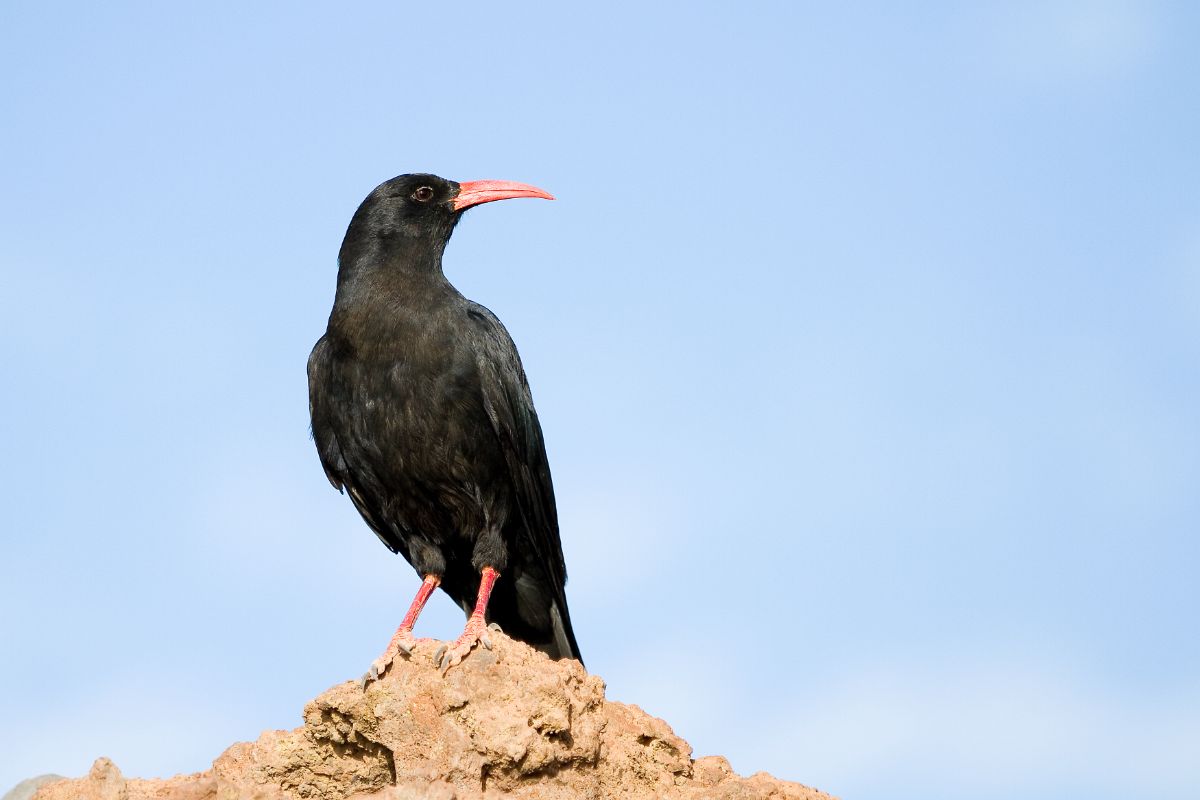
A Chough is a black bird with a bright orange bill and feet. A resident of the mountains in North Africa, the Chough mates for life and typically returns to the same breeding site yearly.
25. Cowbird
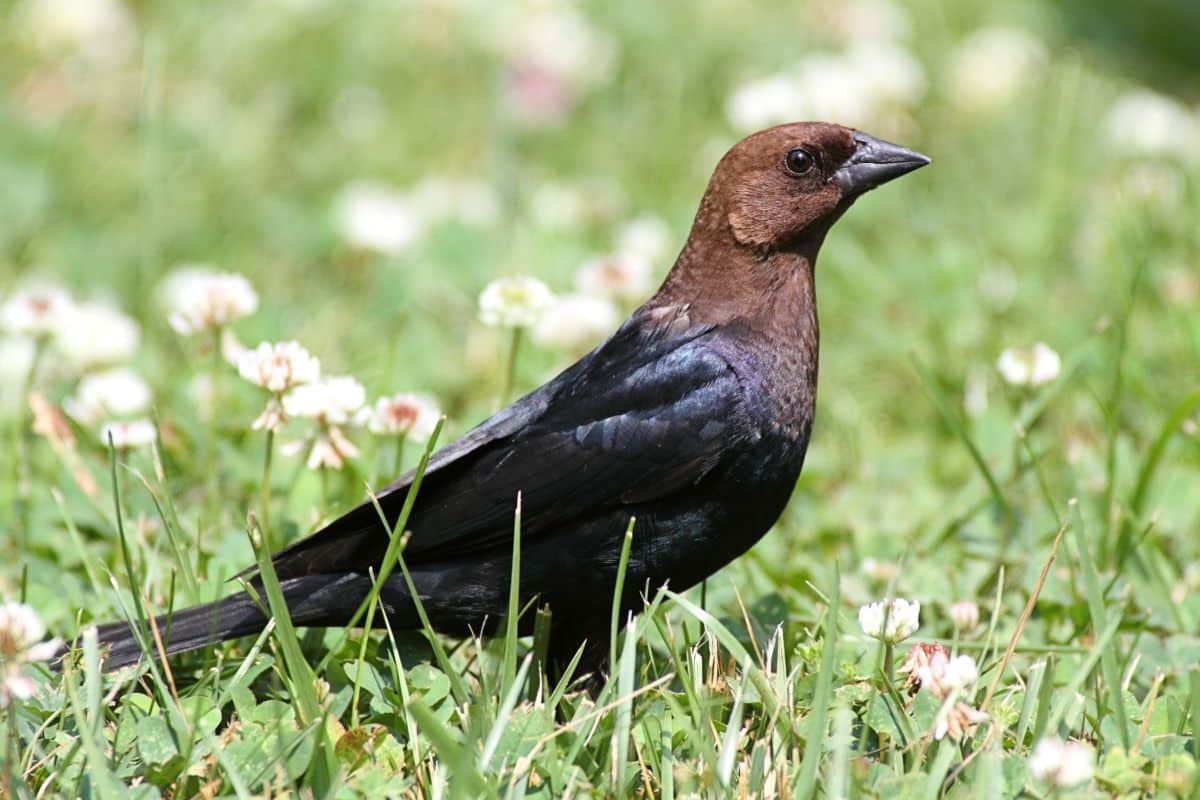
The Cowbird has the unique habit of laying its eggs in another bird’s nest and destroys the host’s eggs if the host bird rejects the Cowbird’s egg.
26. Canada Warbler
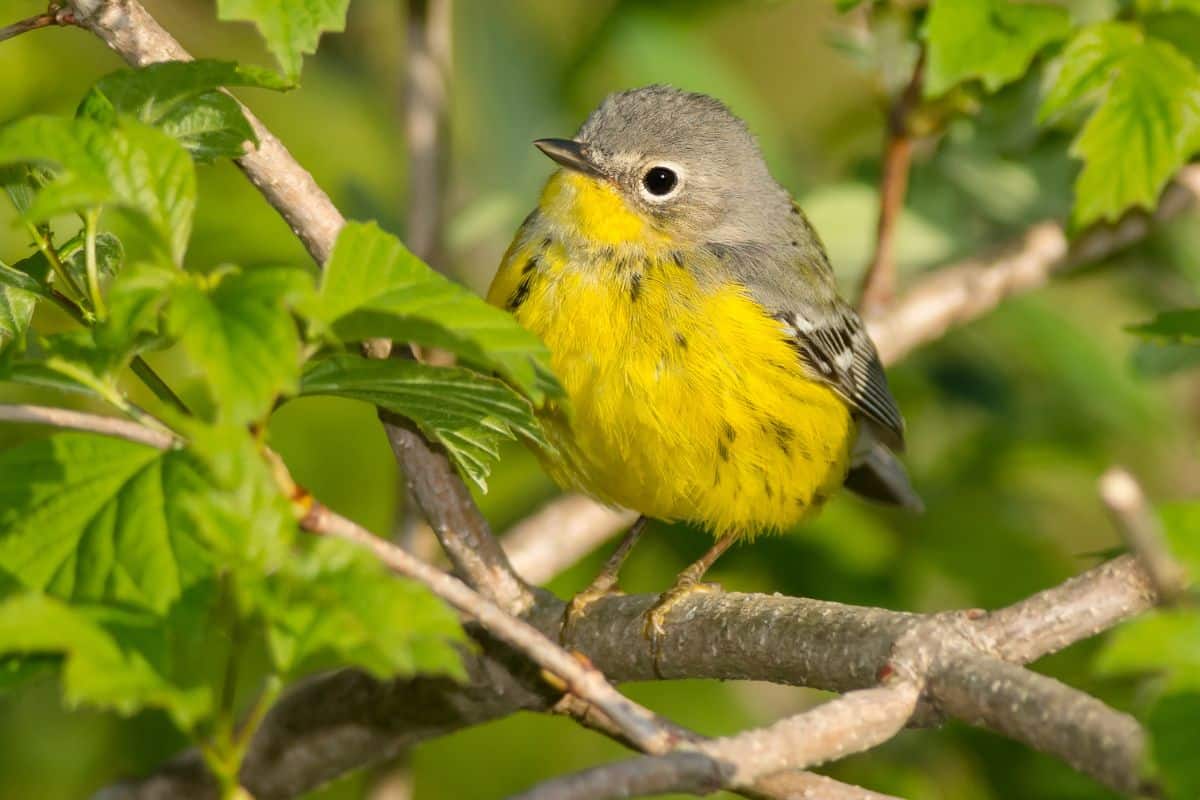
The Canada Warbler is a songbird with a bright yellow belly, dark gray head, and back. It is found primarily in Canada and migrates to northern South America in the winter.
27. Crossbill
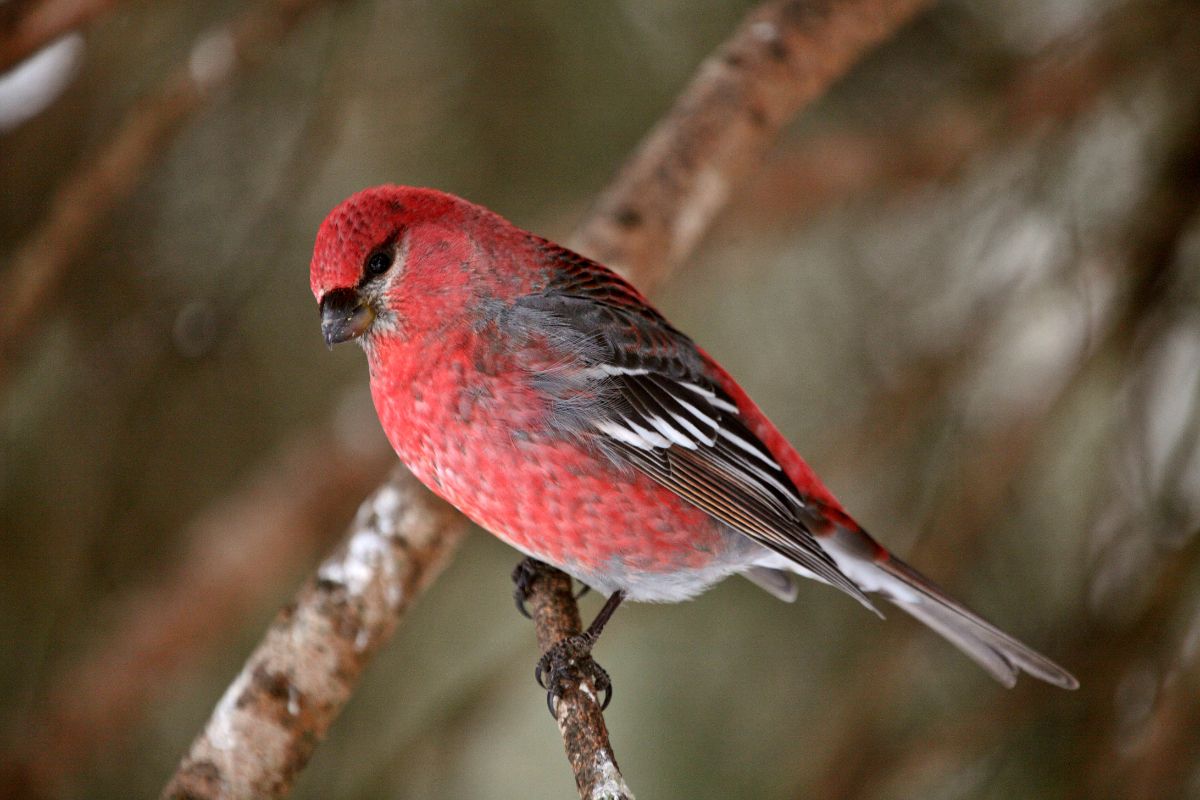
The Crossbill has unique crossing mandibles, which allow it to feed on seeds in conifer cones. It is usually in northern territories where there is an abundant food source.
28. Currawong
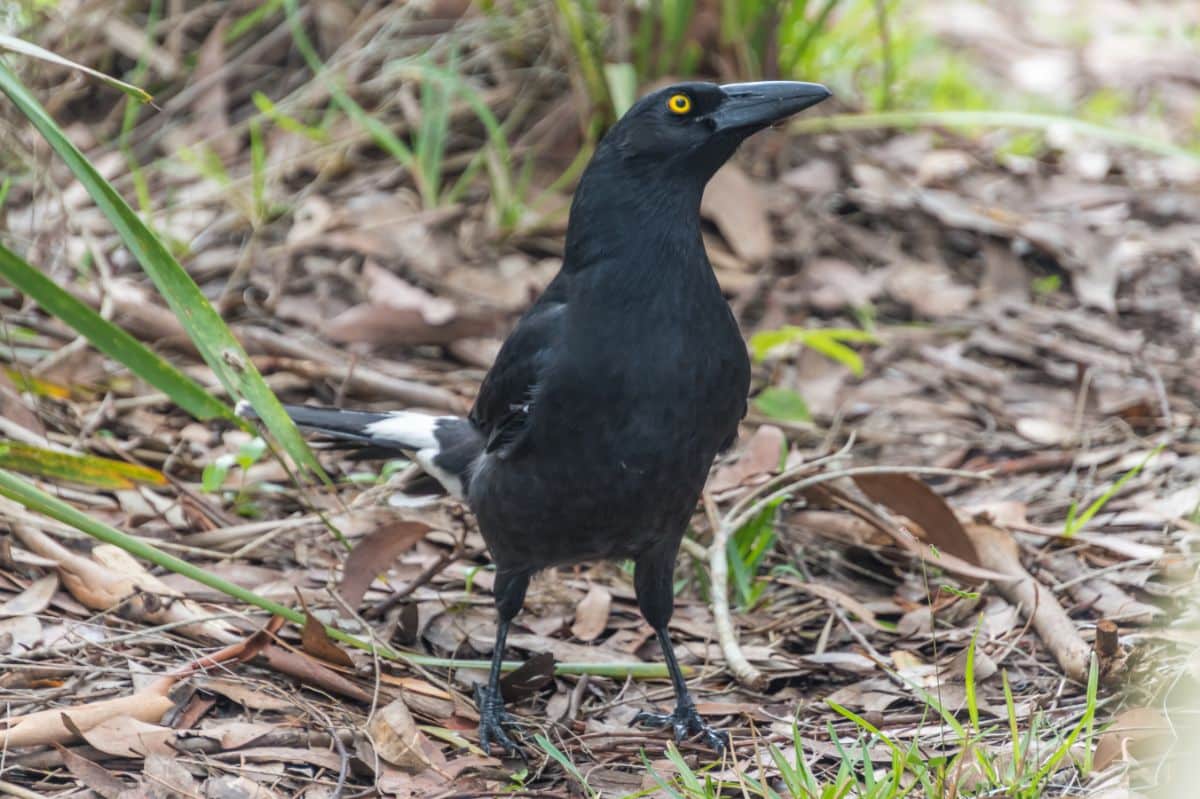
The Currawong is a native of Australia and closely resembles the crow or magpie. Their thick, strong bill enables the currawong to dig insects out from under tree bark.
29. Curassow
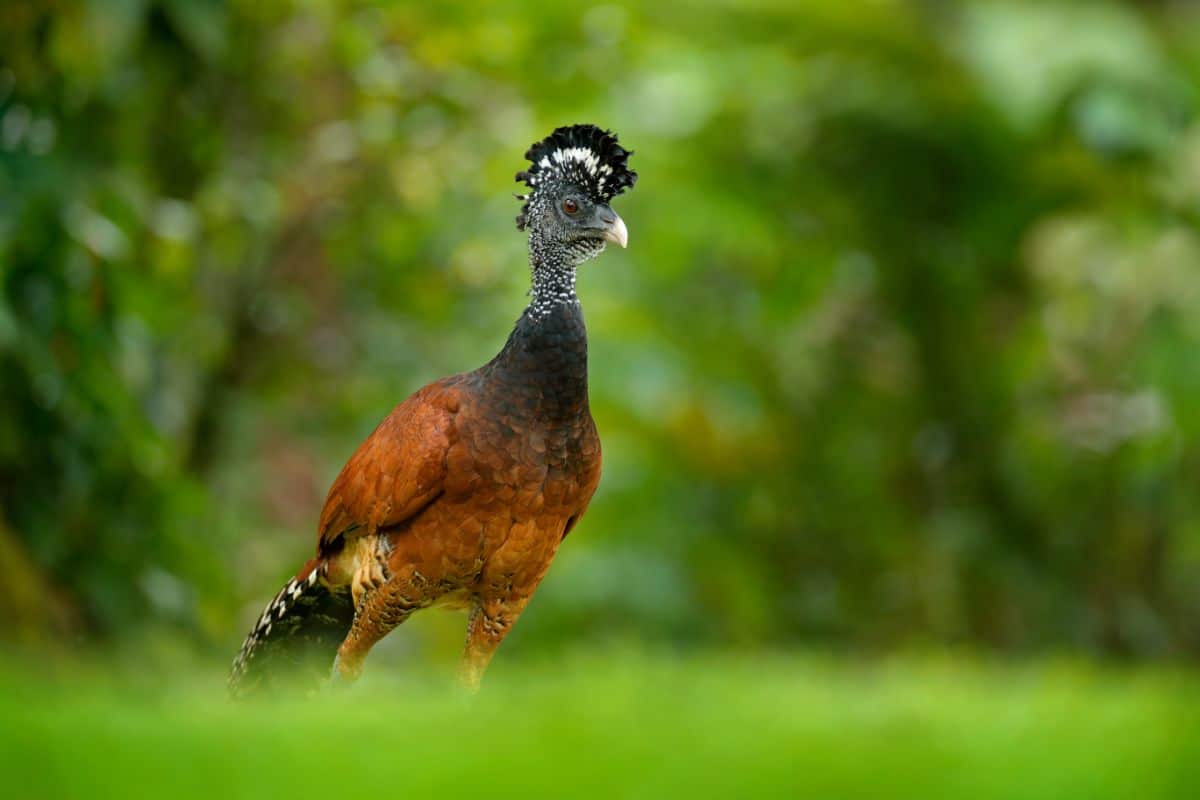
The Curassow has a lineage dating back millions of years. It has ruffled feathers on its crest and is only in tropical South America.
30. Coquette
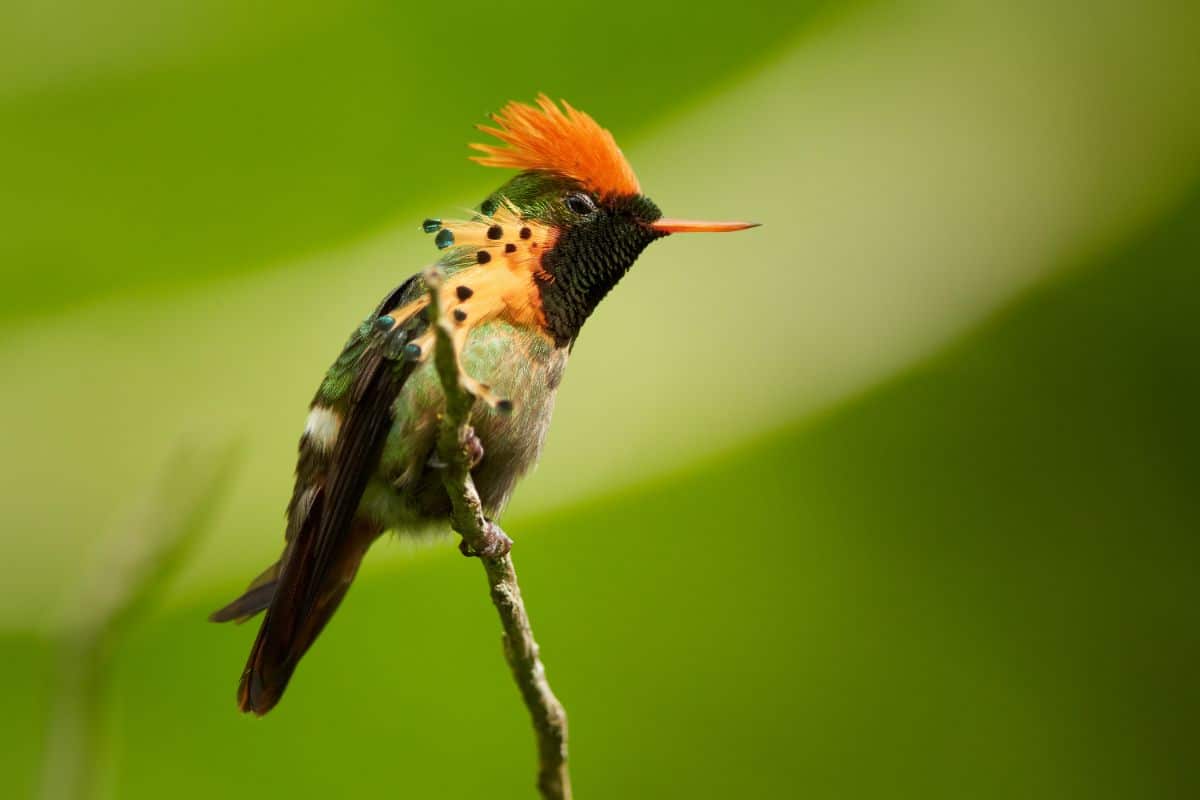
The Coquette is a type of hummingbird native to South America. It typically has bright green and rust-colored feathers and grows to a length of 10cm.
31. Chiffchaff
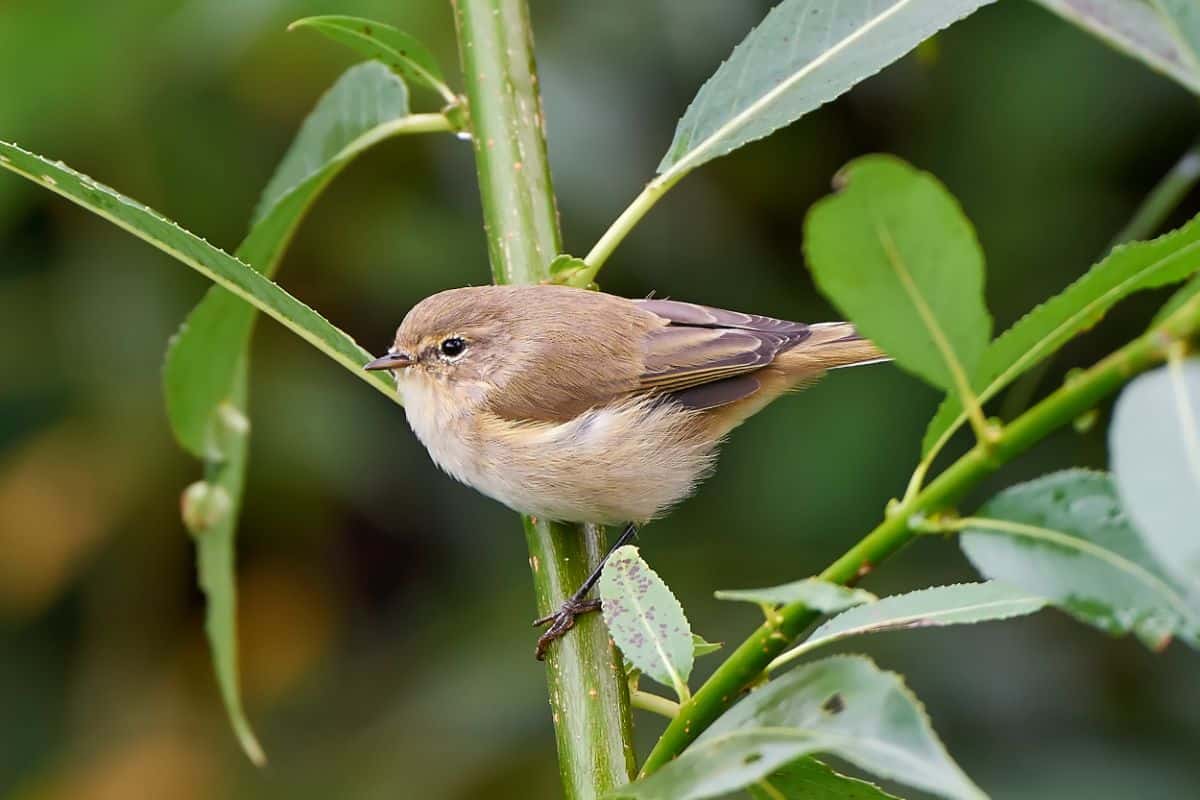
The Chiffchaff is a type of warbler named for its “chiff-chaff” song. Found in parts of Europe, this small brown bird is susceptible to predators such as cats, weasels, and hawks.
32. Capercaillie
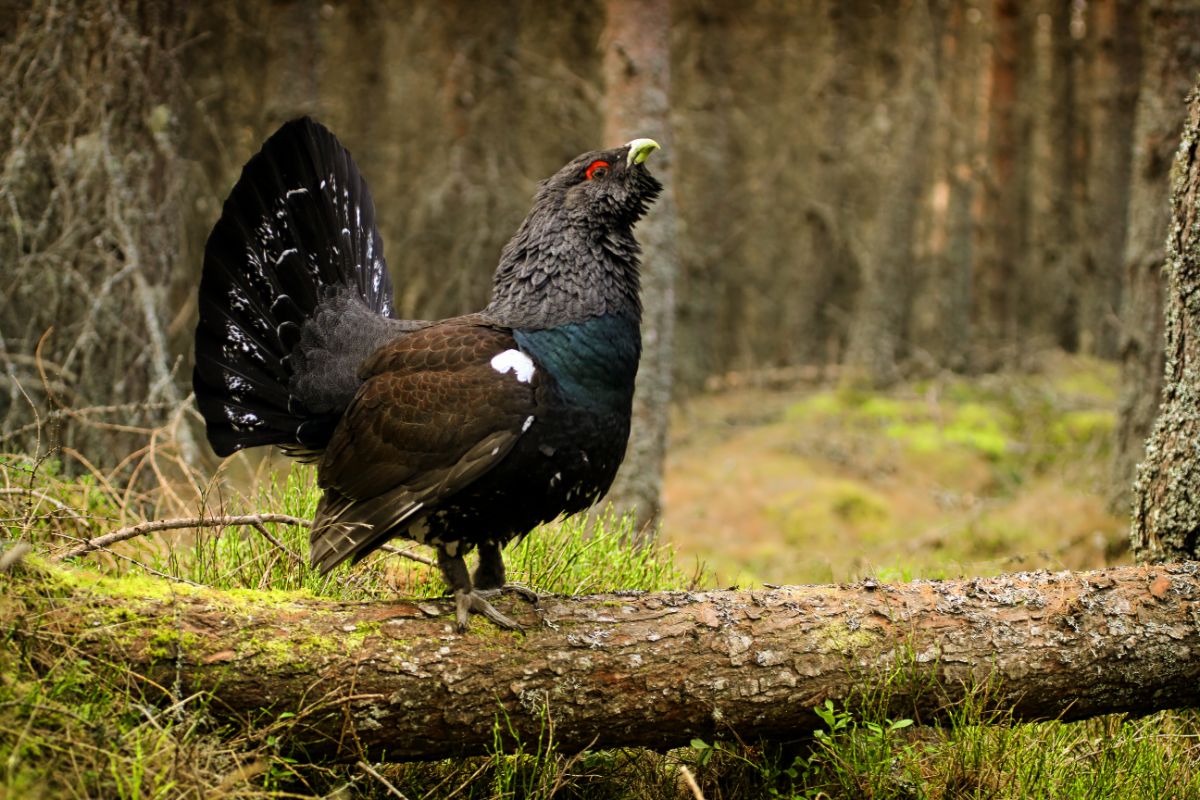
The Capercaillie is akin to the common grouse. Typically all-black, the Capercaillie has a distinctive red marking over the eye.
33. Caracara
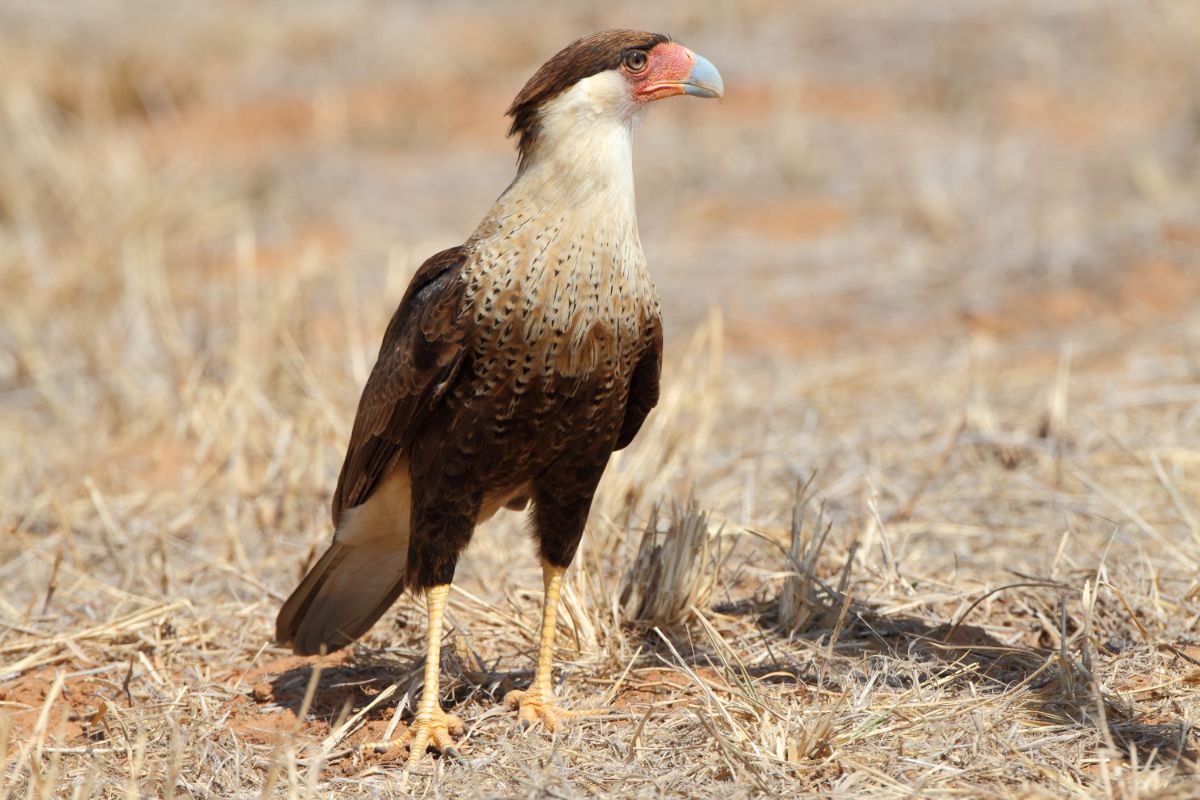
The Caracara belongs to the falcon family of birds. Unlike the falcon, which hunts from the sky, the Caracara looks for prey while walking along the ground.
34. Chachalaca
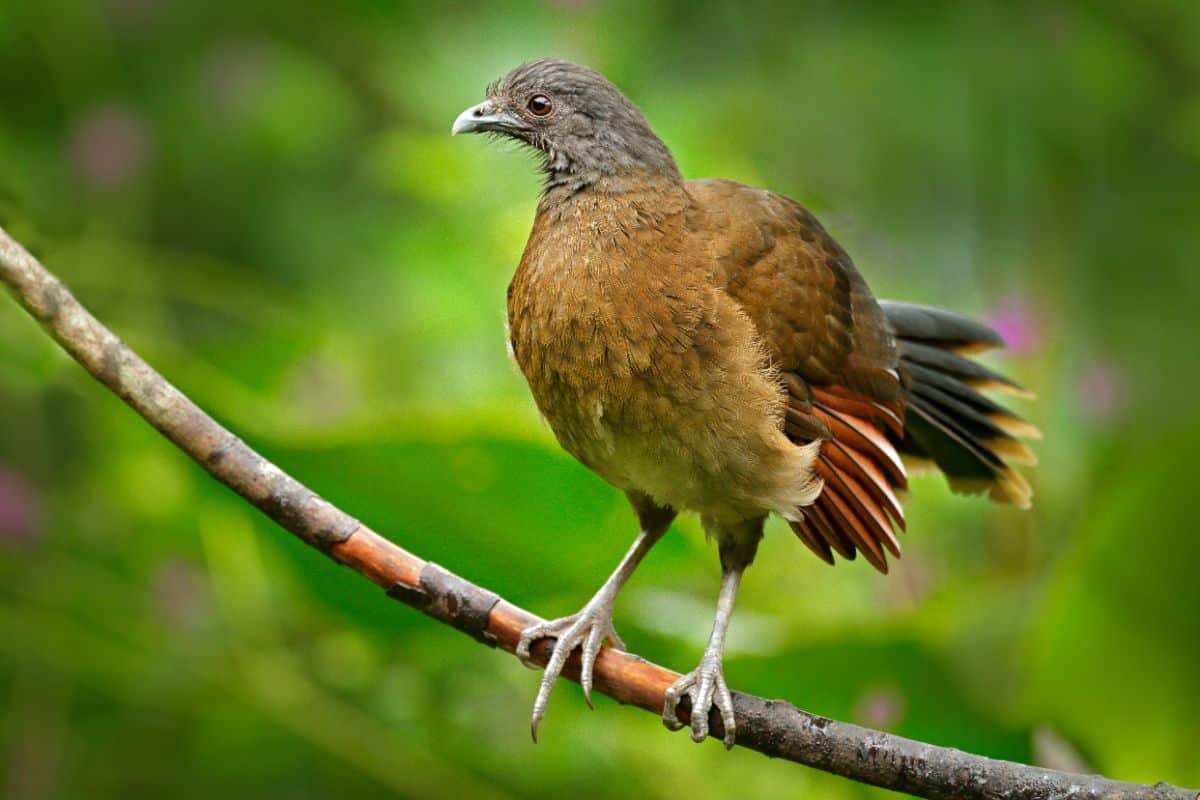
The Chachalaca is a large, noisy bird most often spotted in the southern United States, Mexico, and Central America. They travel in packs and are often a nuisance to farmers, eating their crops of tomatoes, beans, and melons.
35. Cotinga
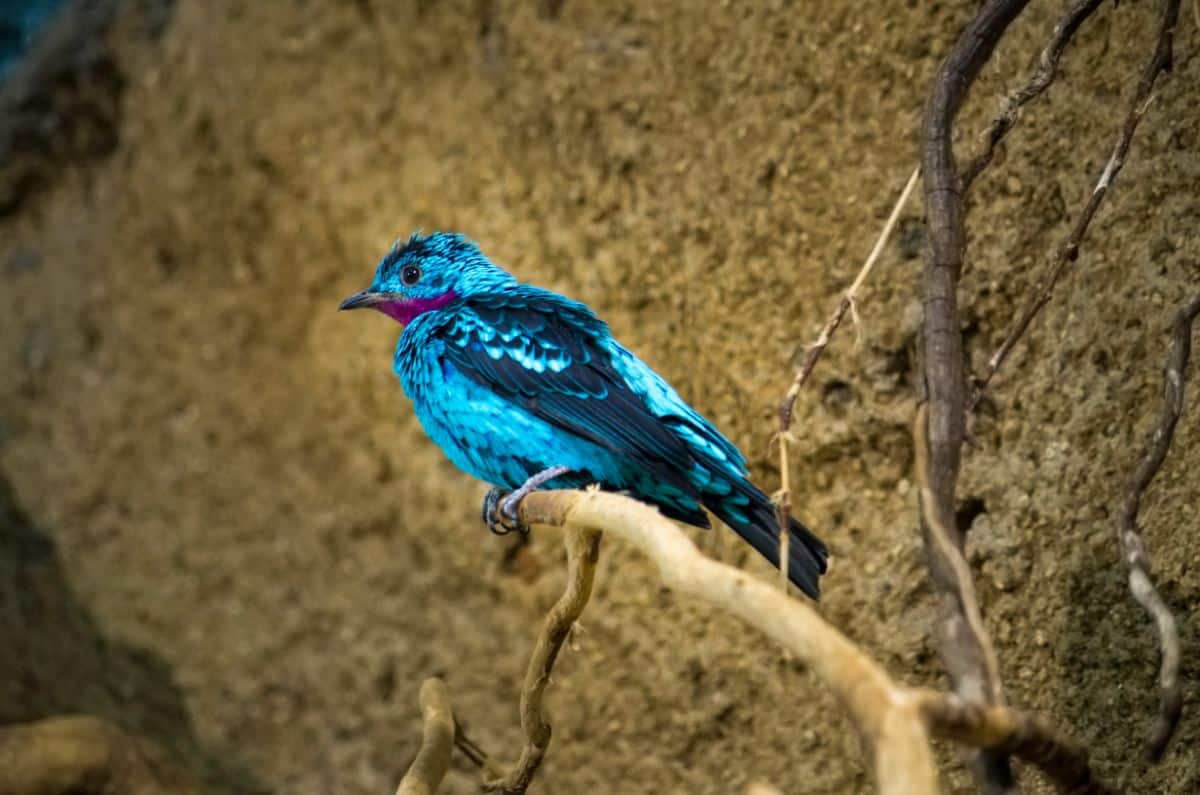
Native to tropical South America, the Cotinga is a brightly-colored bird with a teal body and deep purple throat. The males put on an elaborate display when courting females during the breeding season.
36. Crake
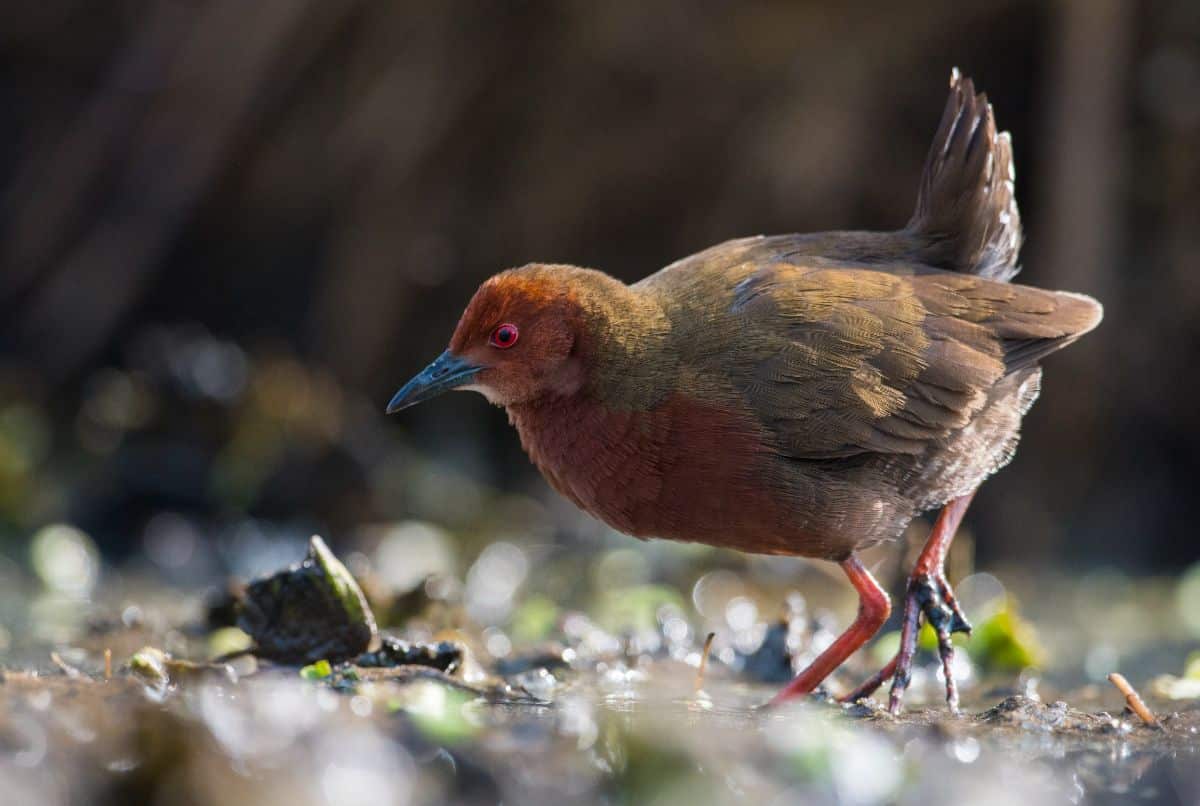
The Crake is a ground-living bird closely related to the rail and coot. Members of the Crake family prefer wetlands as a habitat and are on every continent except Antarctica.
37. Coronet
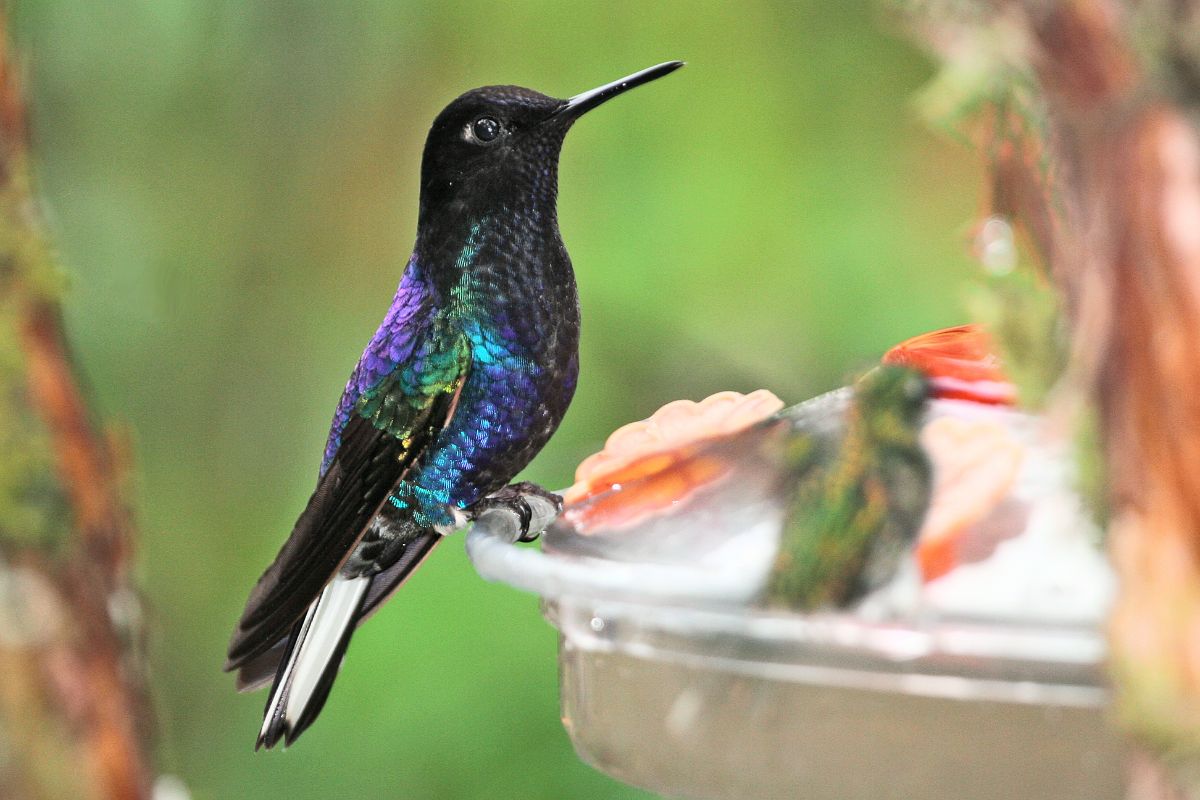
The Coronet is a brilliantly colored hummingbird found mostly in Columbia, Ecuador, and Peru. They can have bright green or shimmering blue feathers and a straight black bill.
38. Cochoa
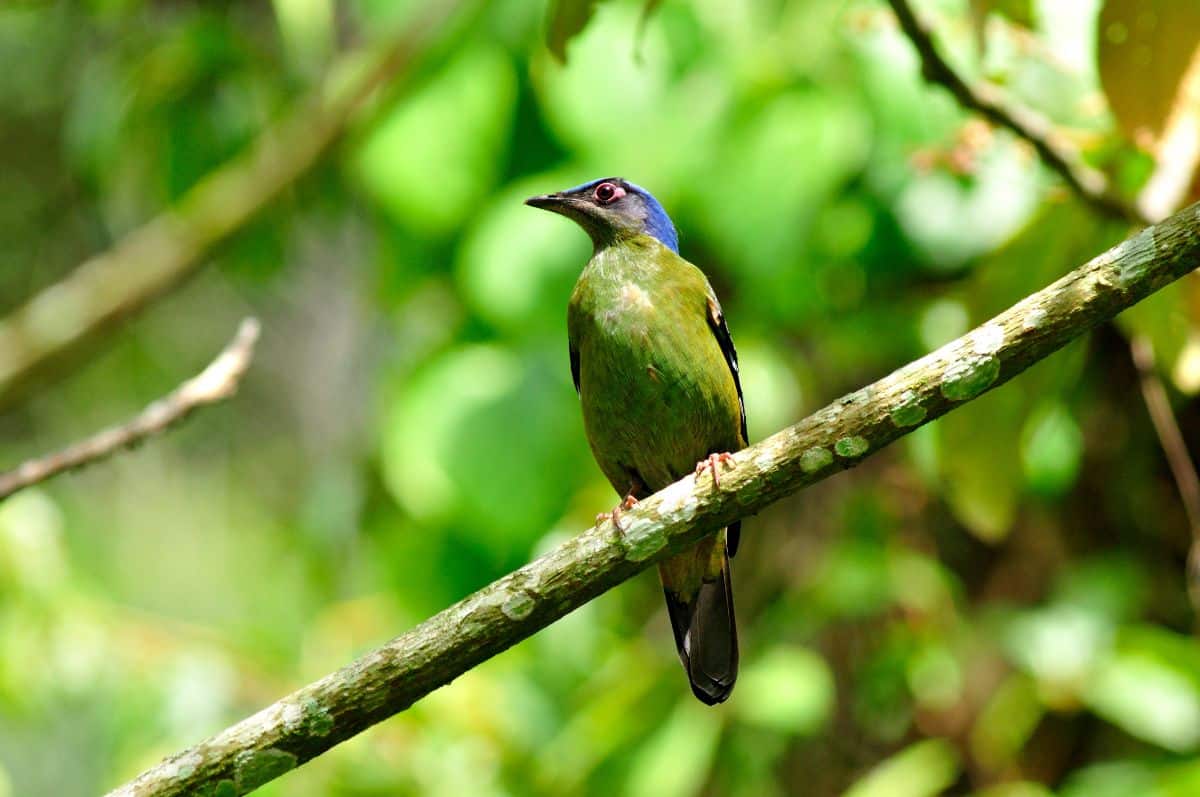
The Cochoa is related to the thrush family of birds. It is distinct for its contrasting colored plumage, a blue head and tail, dark green back, and black and white wings.
39. Canastero
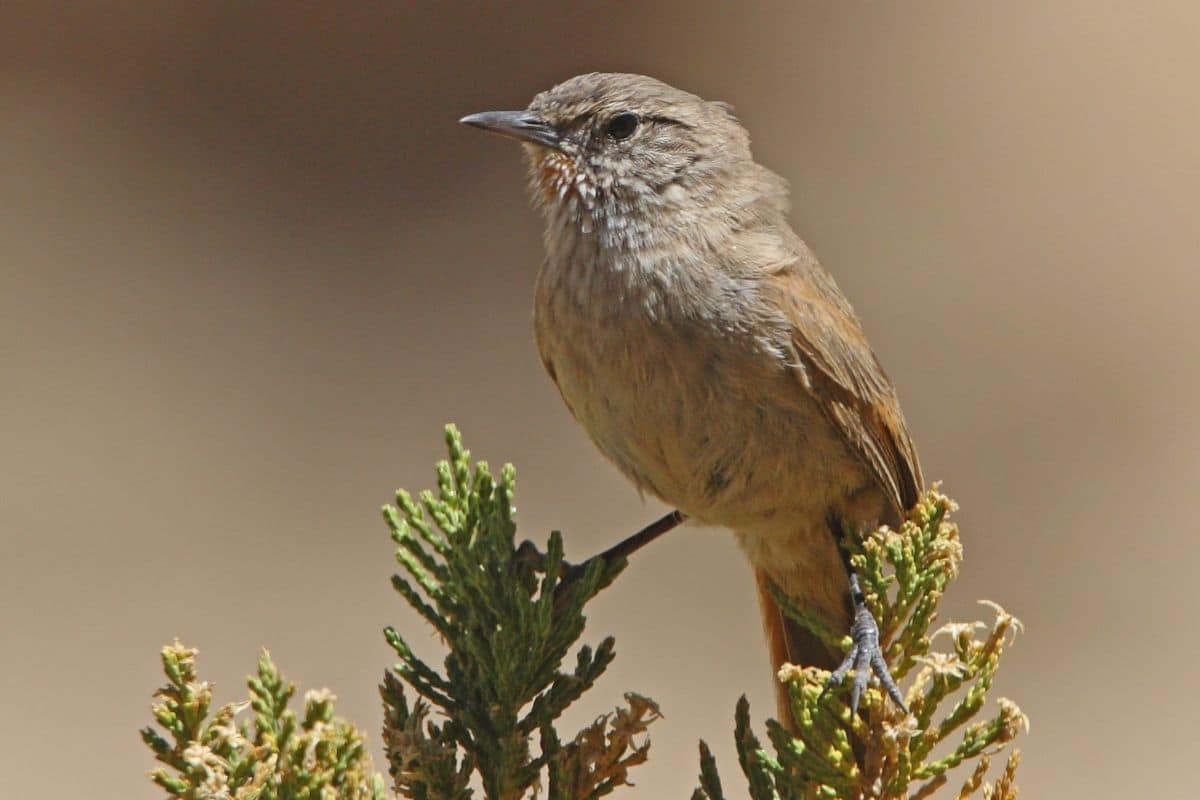
There are 30 species of the Canastero, primarily found in the grasslands of South America. The name translates to “basket-maker” after the dome-shaped nests it builds out of sticks and grass.
40. Comet
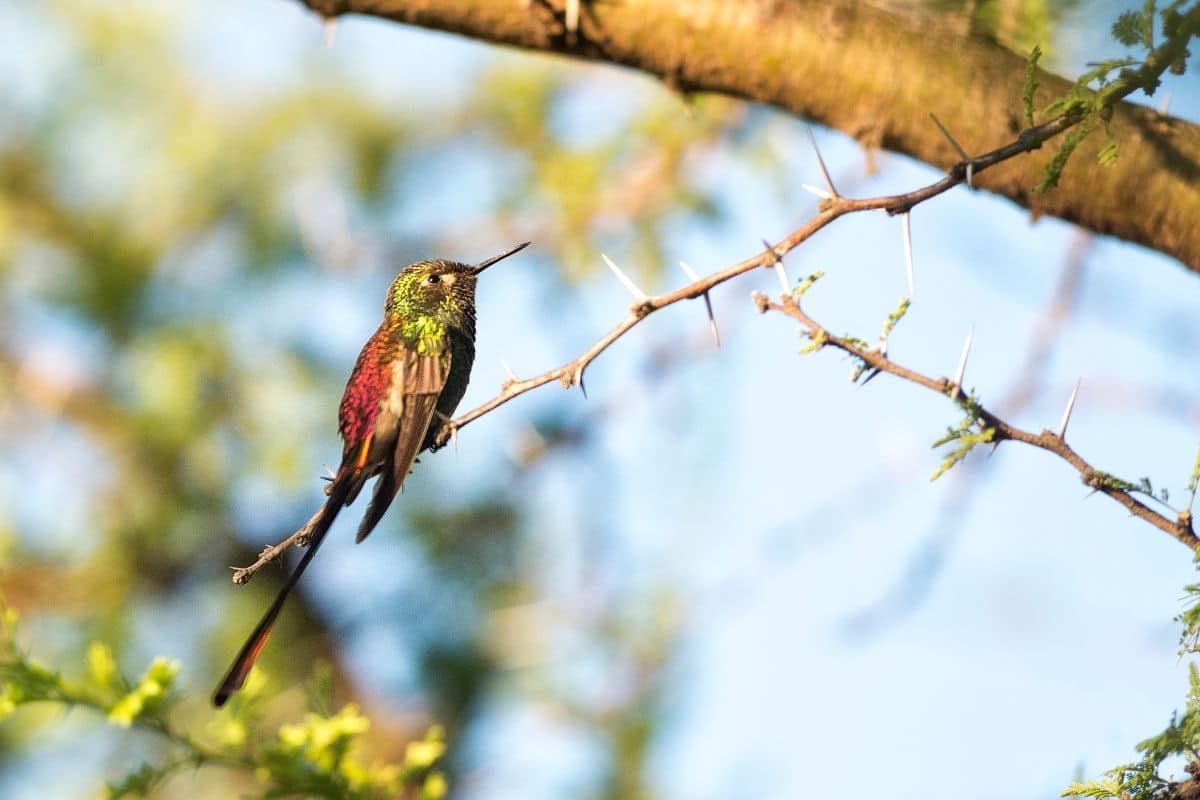
The Comet is a medium-sized hummingbird native to Bolivia and Chile. The Red-tailed Comet is one of the largest hummingbirds, with the male reaching a length of 22cm.
41. Canary-winged Finch
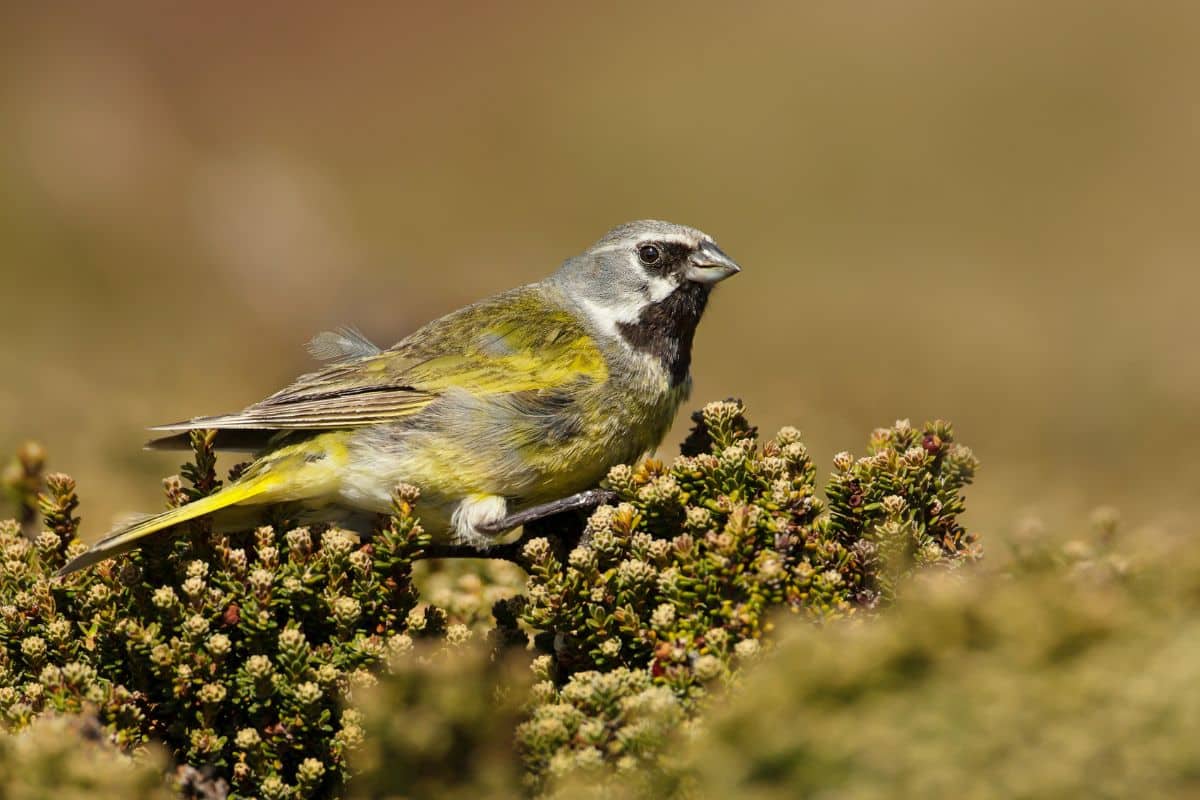
The Canary-winged Finch is in the grasslands of South America. It feeds on the ground, looking for seeds or small insects.
42. Cabanis’s Bunting
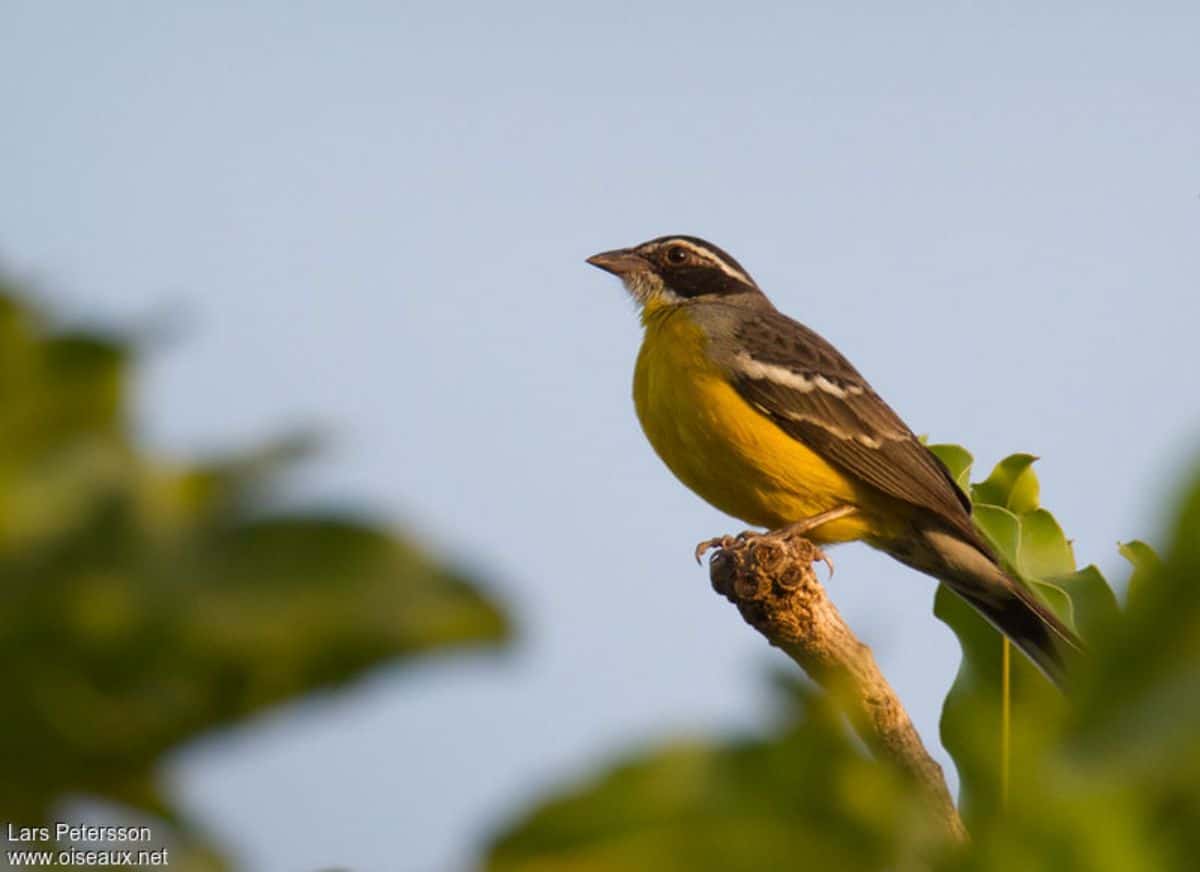
Cabanis’s bunting is native to parts of Africa and prefers subtropical and dry savannah habitats. It feeds on seeds with its short, conical bill.
43. Cabanis’s Spinetail
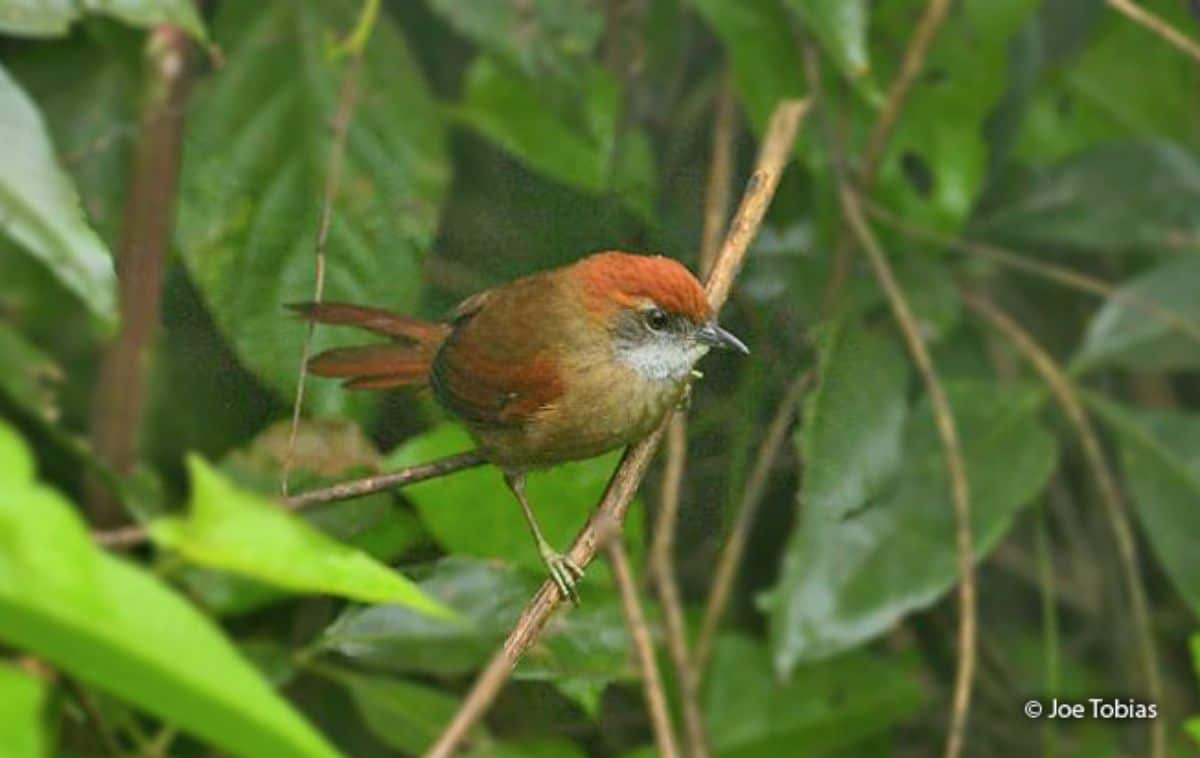
The Cabanis’s Spinetail is native to the Andes region, Bolivia, and Peru. It prefers to nest in tropical lowland forests.
44. Calayan Rail
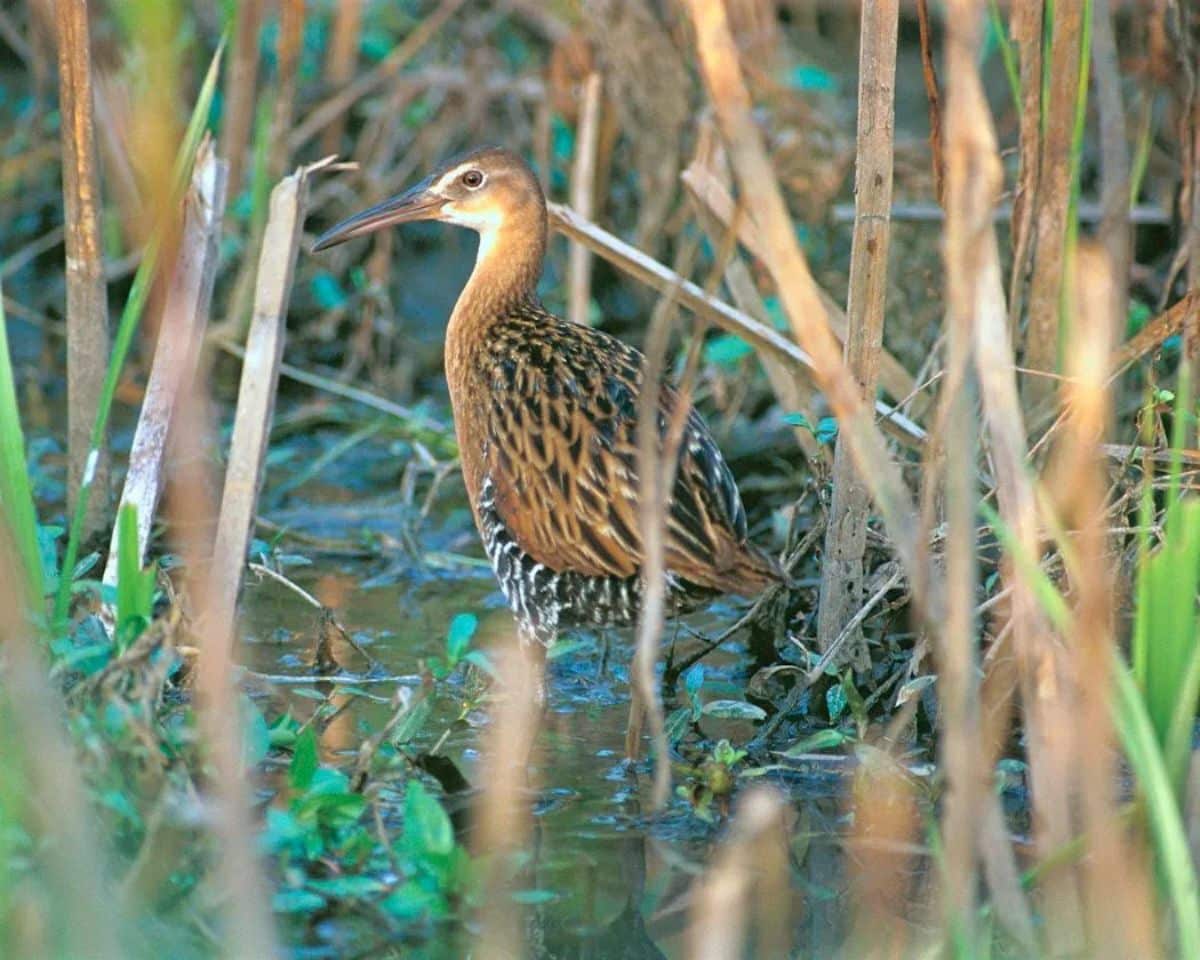
The Calayan rail is a relatively new species of bird identified and described in 2004. It is a flightless bird that inhabits Calayan Island in the Philippines.
45. Caatinga Cacholote
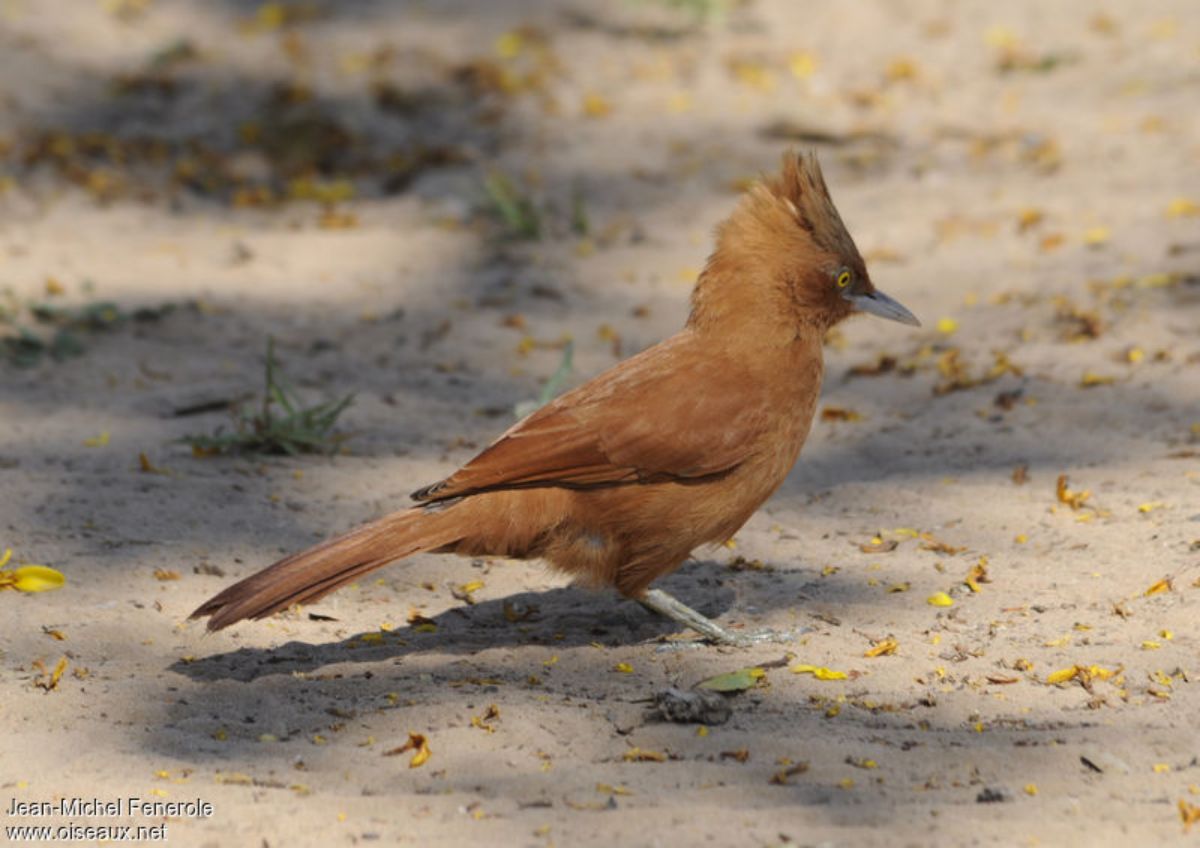
The Caatinga Cacholote is a native of the region in Brazil and inhabits areas near human dwellings. It is recognizable by the spiky appearance of feathers on its crest.
46. Caatinga Woodpecker
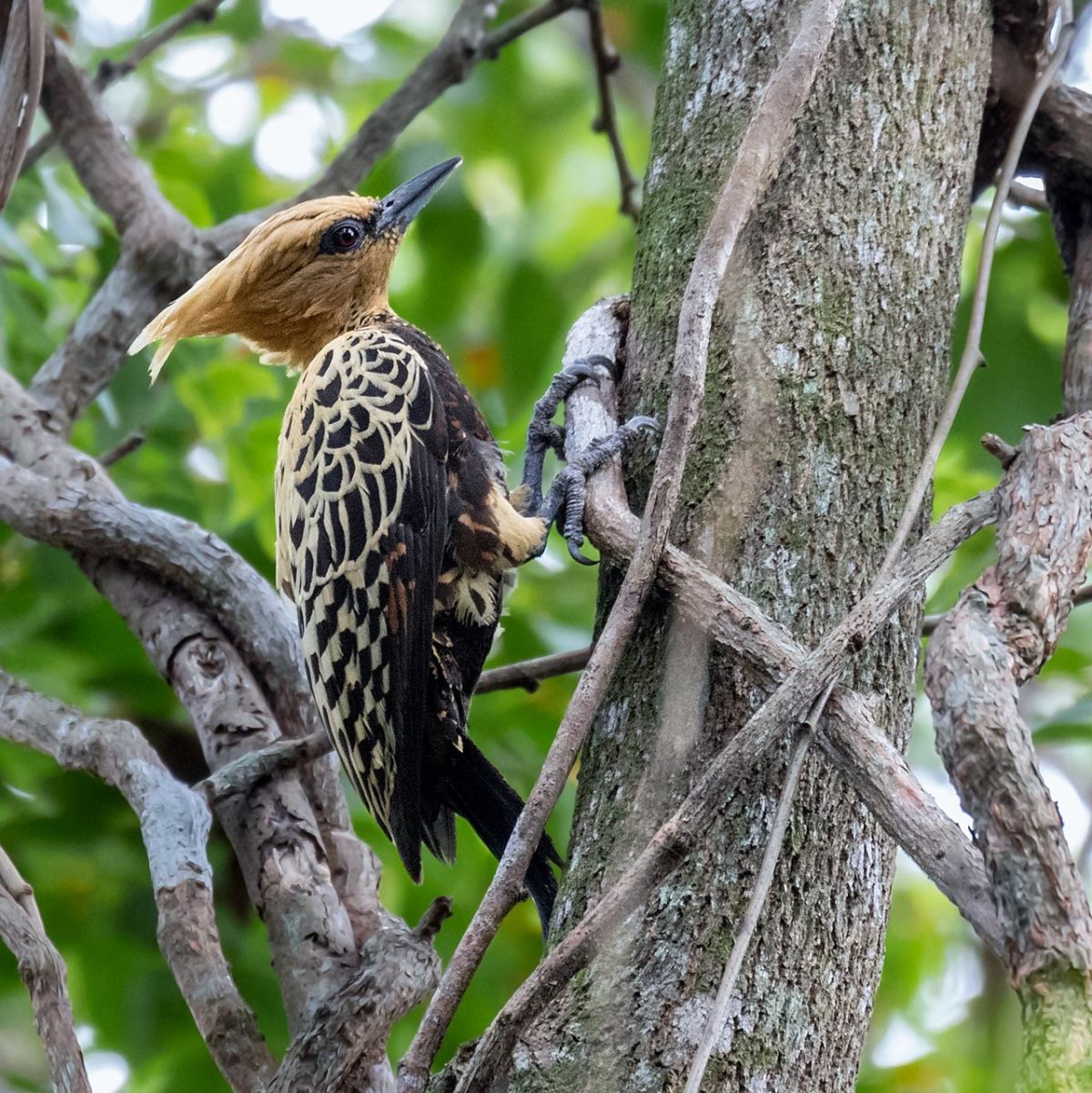
Once feared extinct, the Caatinga Woodpecker reappeared in 2006. Its preferred habitat appears to be in the bamboo forests of eastern Brazil.
47. Caatinga Parakeet
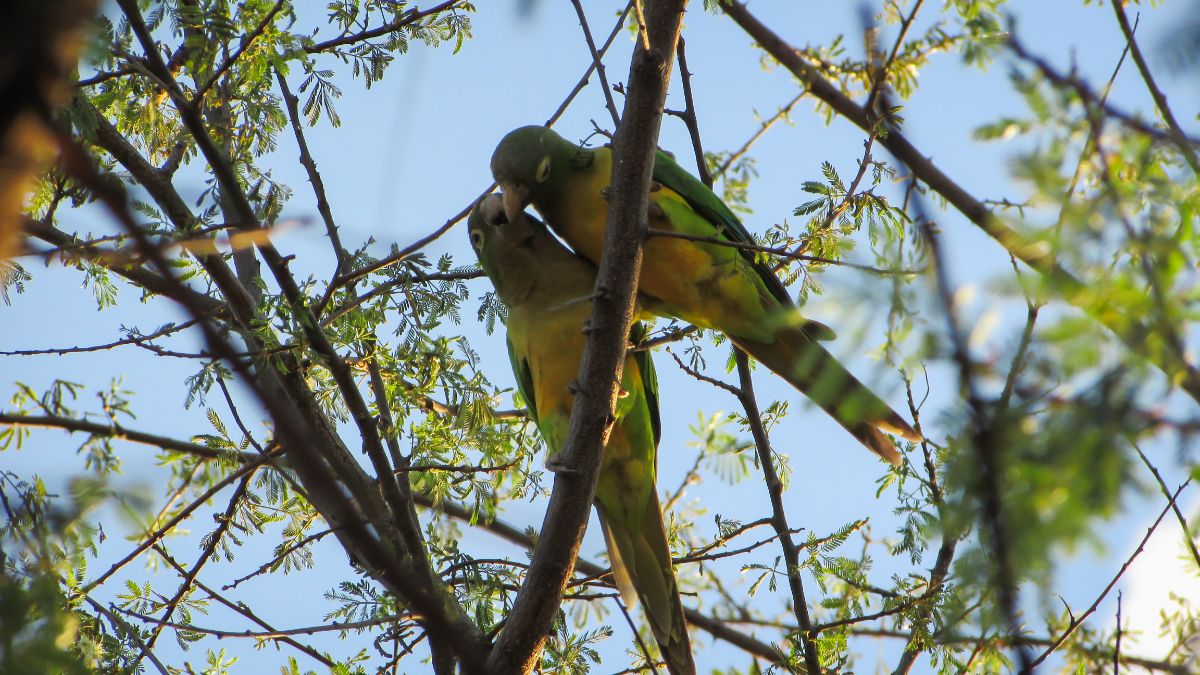
The Caatinga Parakeet is a colorful bird with bright green and yellow feathers. Native to north-eastern Brazil, it is often exported and sold as a popular pet.
Conclusion
There are so many fascinating species of birds, and these are just a few of them that begin with the letter C!